
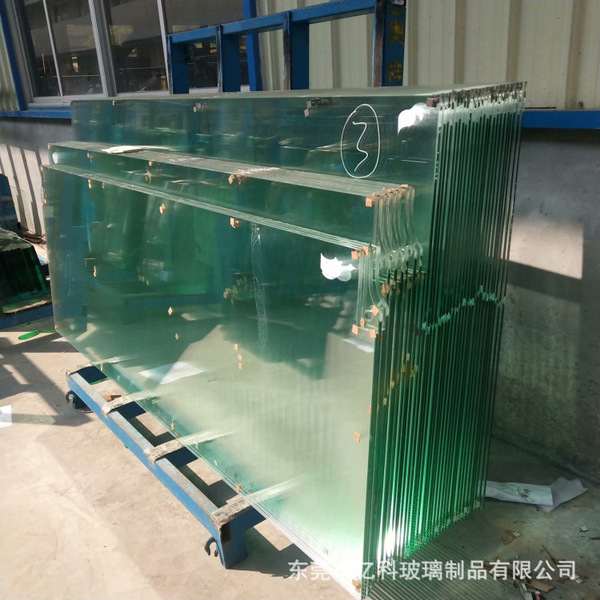
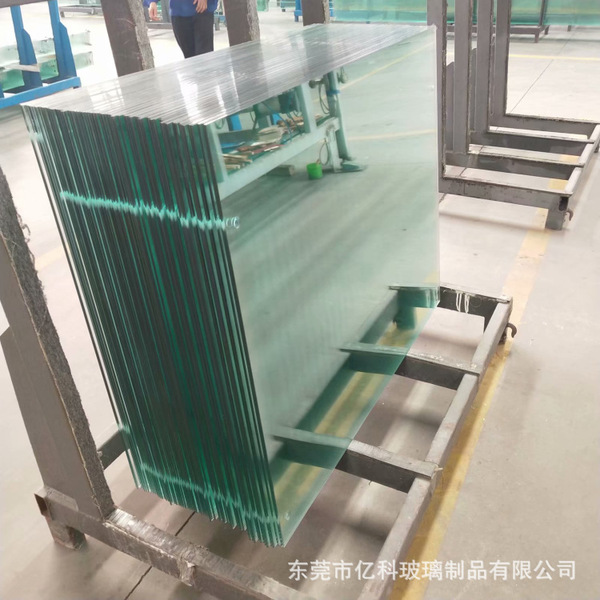
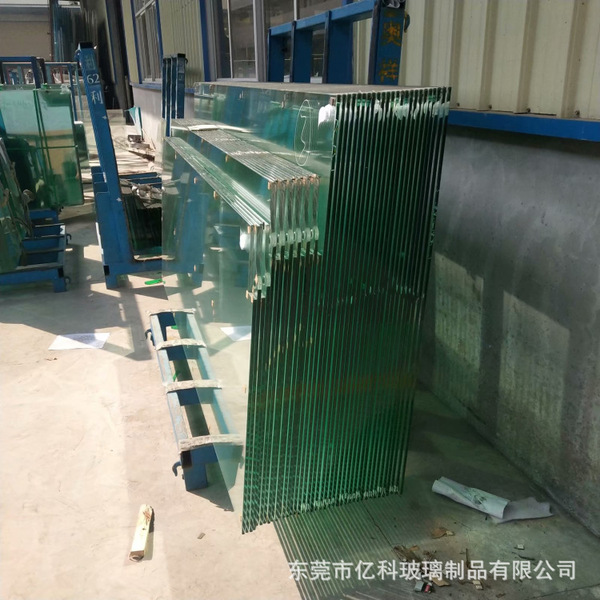
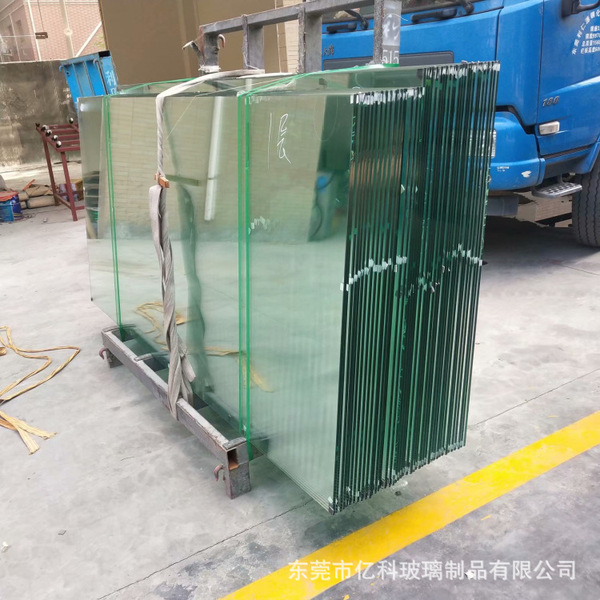
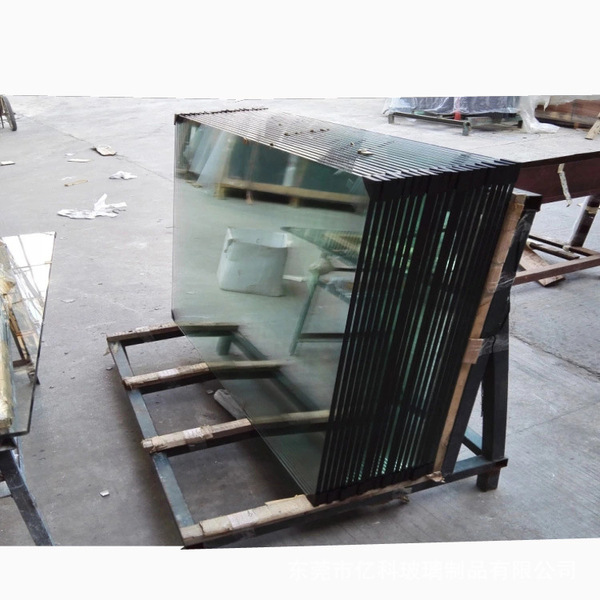


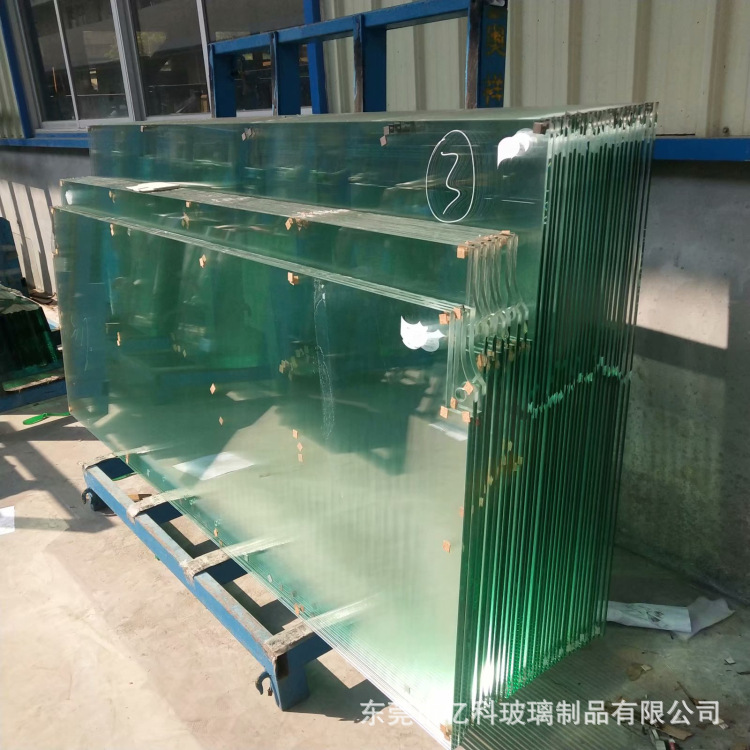
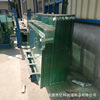
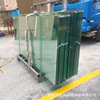
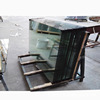
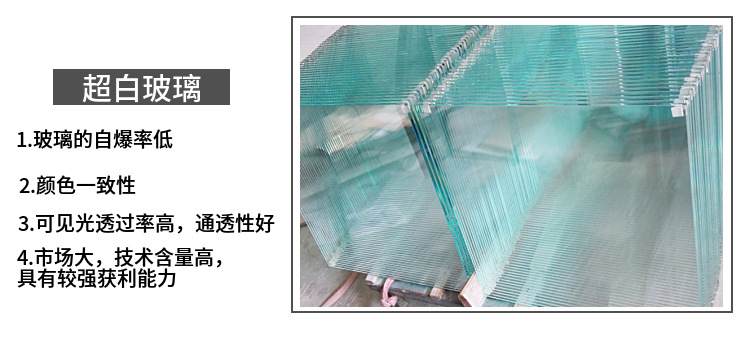
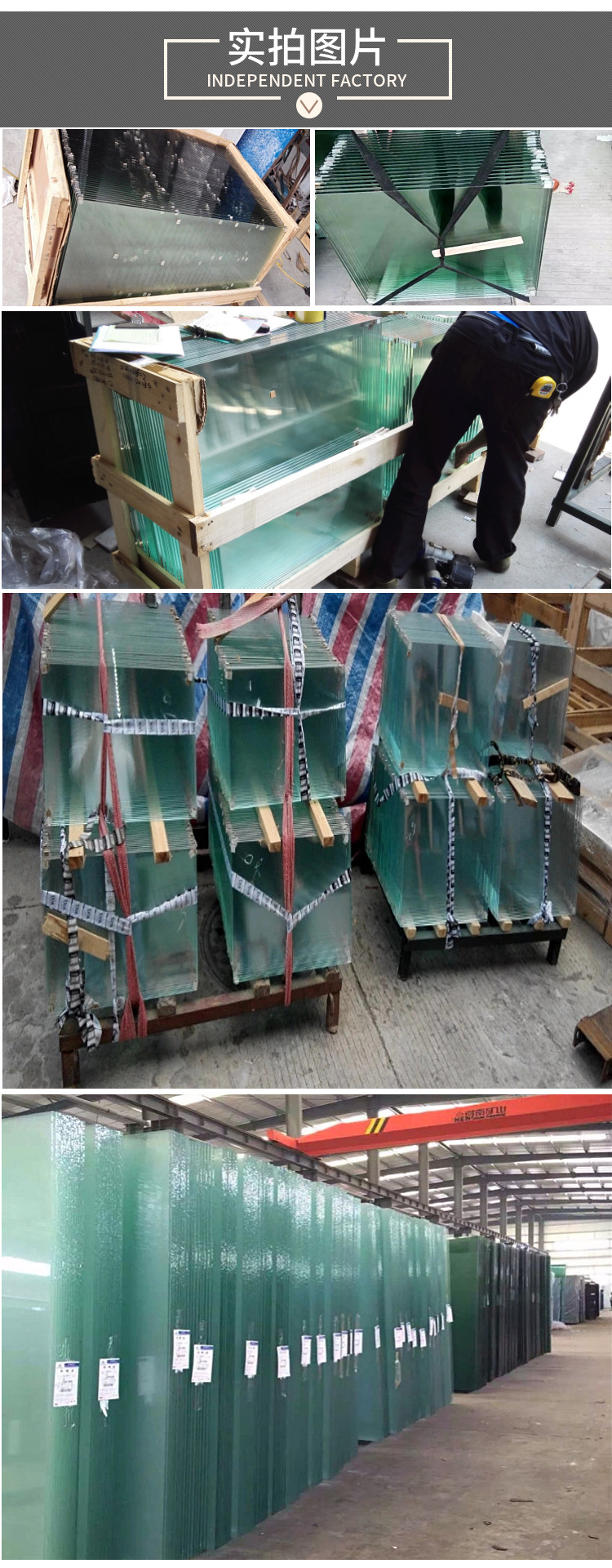
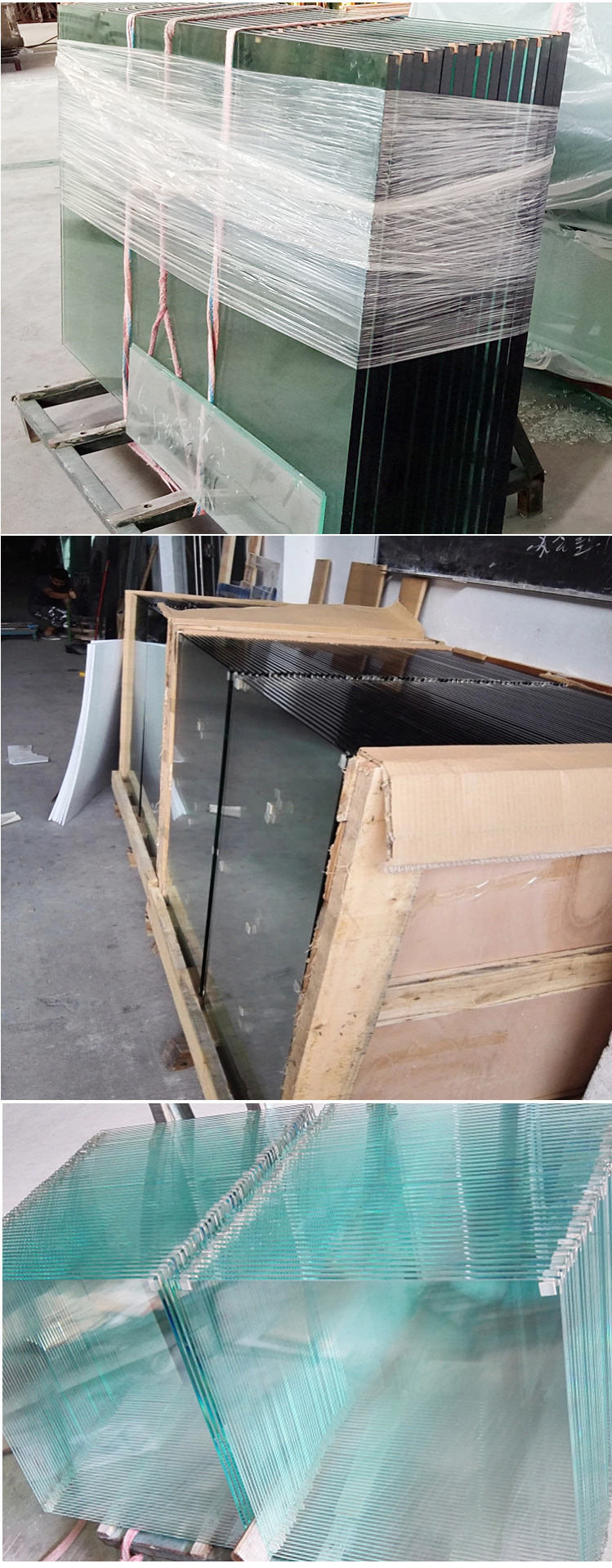
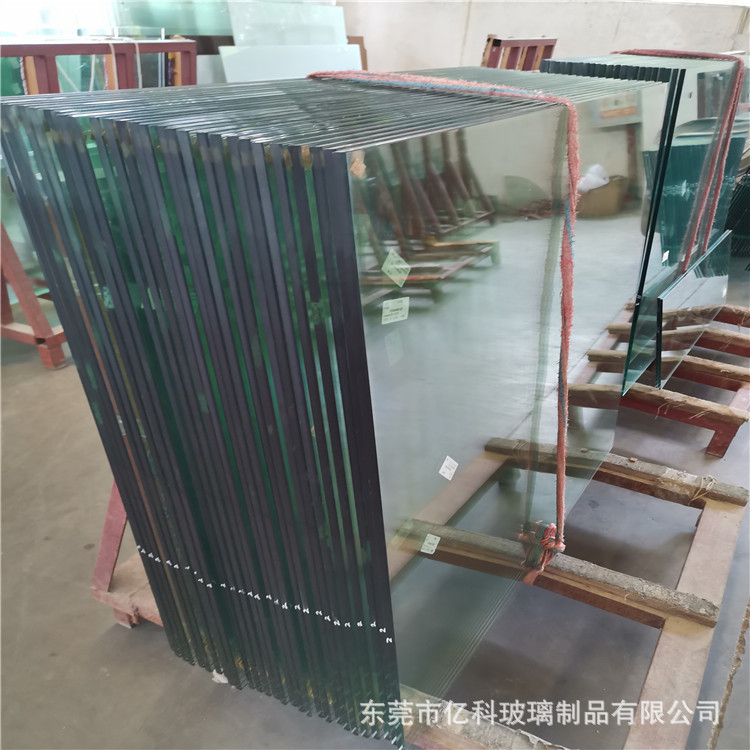
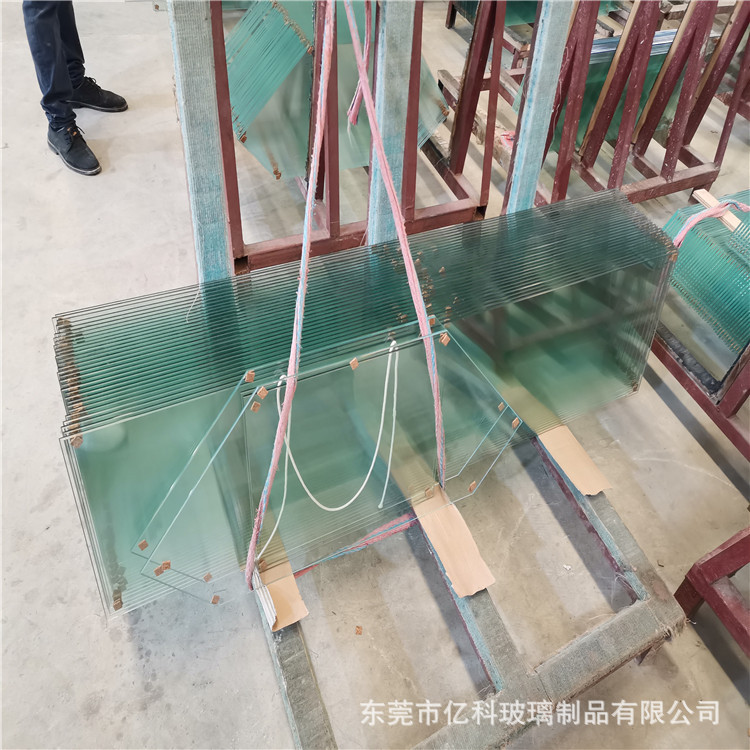
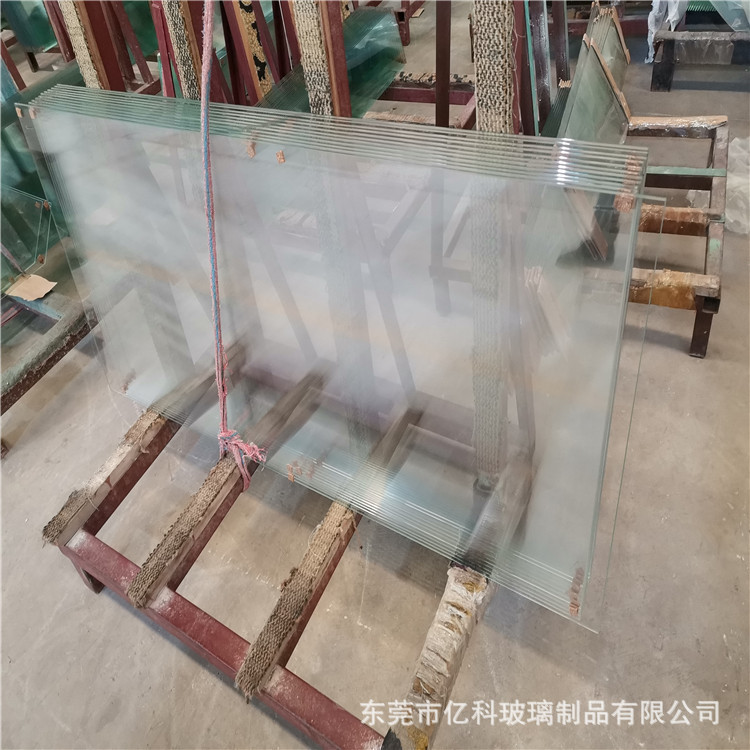
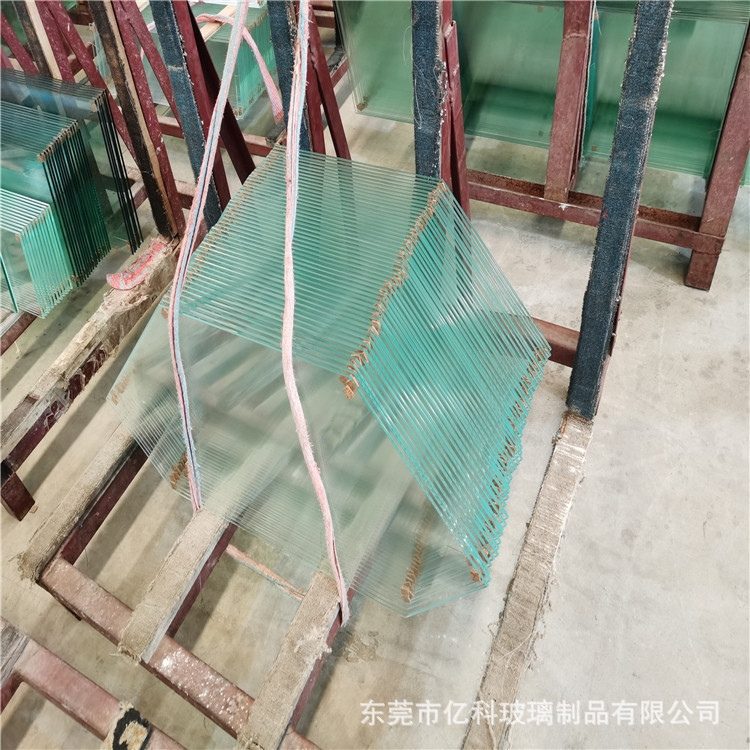
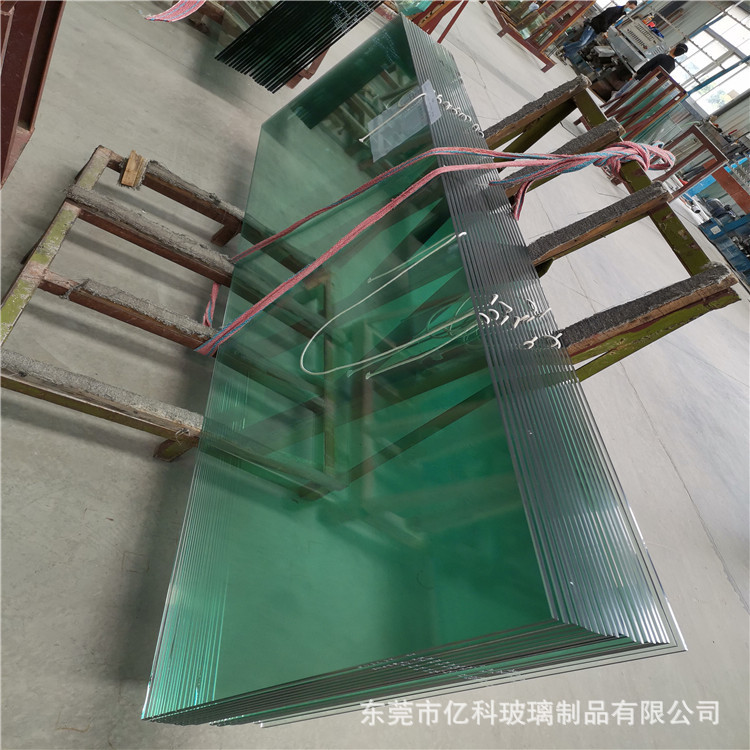
Product: Guangdong Glass Factory supply tempered glass ultra -white glass 6+6…

Glass classification writing size
Glass classification writing size
Tempered glass cannot be cut, it will explode, it must be cut first and then tempered,
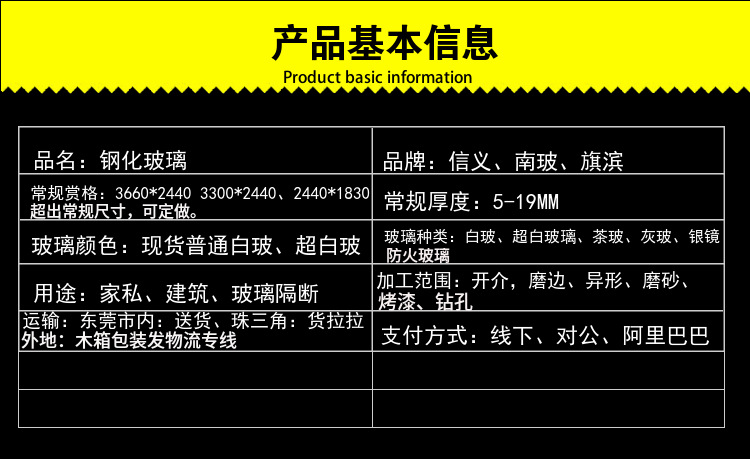
There are eight types of flat tempered glass thicknesses: 3.4, 5, 6, 8, 10, 12, 15, and 19mm;
There are also eight types of curved tempered glass thicknesses of 3.4, 5, 6, 8, 10, 12, 15, and 19mm.
According to the standard "Ordinary Flat Glass" (GB4871—1995) and "Floating Glass" (GB11614—According to the provisions of 89), glass can be divided into the following specifications according to its thickness:
Ordinary flat glass produced by Inlafa: 2mm, 3mm, 4mm and 5mm four categories.
Floating glass: 3mm, 4mm, 5mm, 6mm, 8mm10mm, 12mm seven categories.
The length-width ratio of glass produced by Rafale shall not be greater than 2.5, and the size of glass 2 and 3mm thick shall not be less than 400mm.×300mm, 4, 5, 6mm thick glass shall not be less than 600mm×400mm.The size of float glass is generally not less than 1000mm×1200mm, 5 and 6mm can reach 3000mm×4000mm.
According to the industry standard JC433-91, the thickness of wire-clamped glass is divided into: 6, 7, 10mm, and the specifications and sizes are generally not less than 600mm.×400mm, no more than 2000mm×1200mm.
1. Ordinary flat glass.
1. 3--4 cm glass, mm is also called xin in daily life.What we mean by 3 cm glass is glass with a thickness of 3 mm.Glass of this specification is mainly used on picture frame surfaces.
2. 5--6 cm glass, mainly used for small-area light-transmitting shapes such as exterior wall windows and doors, etc.
3.7--9 cm glass is mainly used in large-area but frame-protected shapes such as indoor screens.
4. 9--10 cm glass can be used for decoration projects such as large-area partitions and interceptors in indoor areas.
5. 11-12 cm glass can be used in floor spring glass doors and some partitions with large flow of people.
6. Glass above 15 cm is generally sold less on the market and often requires ordering. It is mainly used for the entire glass wall of the floor spring glass door exterior wall of a larger area.
2. Other glasses
Other glass is that the author is not officially classified in the industry relative to flat glass during classification.There are:
1. Tempered glass.It is a kind of prestressed glass after reprocessing.Compared with ordinary flat glass, tempered glass has two major characteristics:
1) The strength of the former is several times that of the latter, the tensile strength is more than 3 times that of the latter, and the impact resistance is 5.
More than times.
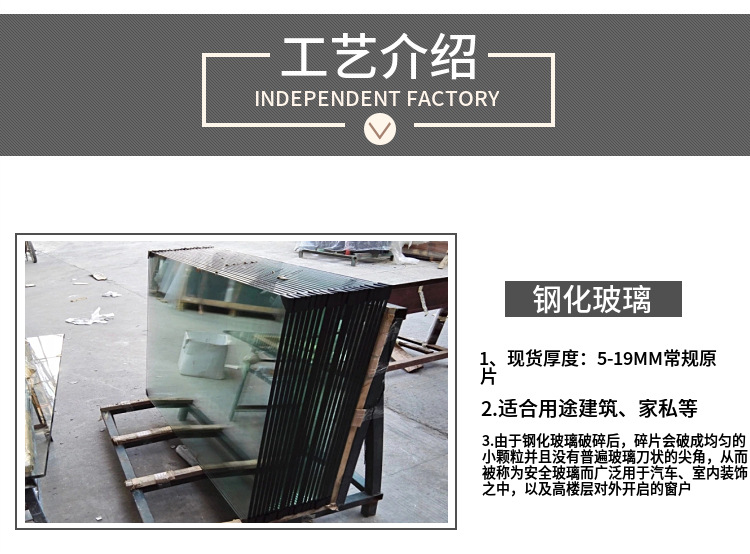
2) Tempered glass is not easy to break, and even if it breaks, it will break in the form of particles without sharp angles, which is for people
Body damage is greatly reduced.
2. Frosted glass.It is also frosted on ordinary flat glass.Generally, the thickness is less than 9 centimeters, and the thickness is more than 5 or 6 centimeters.
3. Sandblasted glass.The properties are basically similar to those of frosted glass, and the different modifications to sandblasting are sandblasting.Because the two are visually similar, many owners and even decoration professionals confuse them.
4. Embossed glass.It is a flat glass made by calendering method.Its characteristic is that it is light-transparent and opaque, and is mostly used in decoration areas such as bathrooms.
5. Wire-clamped glass.It is a kind of impact-resistant flat glass made by using the calendering method and embedded metal wire or metal mesh in a glass plate. When impacted, it will only form radial cracks and will not fall and hurt people.Therefore, it is mostly used in high-rise buildings and factories with strong shock.
6. Hollow glass.The glue method is often used to keep the two pieces of glass at a certain interval. The interval is dry air, and the surrounding area is sealed with sealing materials. It is mainly used in decoration projects with sound insulation requirements.
7. Laminated glass.Laminated glass is generally composed of two pieces of ordinary flat glass (also tempered glass or other special glass) and an organic glued layer between the glass.When damaged, the debris still adhere to the glue layer, avoiding damage to the human body by splashing the debris.Mostly used in decoration projects with requirements.]
8. Bulletproof glass.In fact, it is a type of laminated glass, but the glass that is composed mostly uses tempered glass with higher strength, and the number of interlayers is relatively large.It is mostly used in decoration projects such as banks or luxury houses that require very high requirements.
9. Hot-bent glass.The curved glass is made by heating and softening of flat glass in a mold and then annealed.It appears more and more frequently in some decorations, and requires reservations, but there is no spot stock.
10. Glass bricks.The production process of glass bricks is basically the same as that of flat glass, the difference is the forming method.
There is dry air in the middle.Mostly used in decorative projects or translucent shapes with thermal insulation requirements
middle.
11. Cellophane.Also known as glass film, it has a variety of colors and colors.Depending on the performance of the paper film,
There are different performances.Most of them play the role of heat insulation, infrared protection, ultraviolet protection, explosion protection, etc.
3. Things to note during glass construction and use
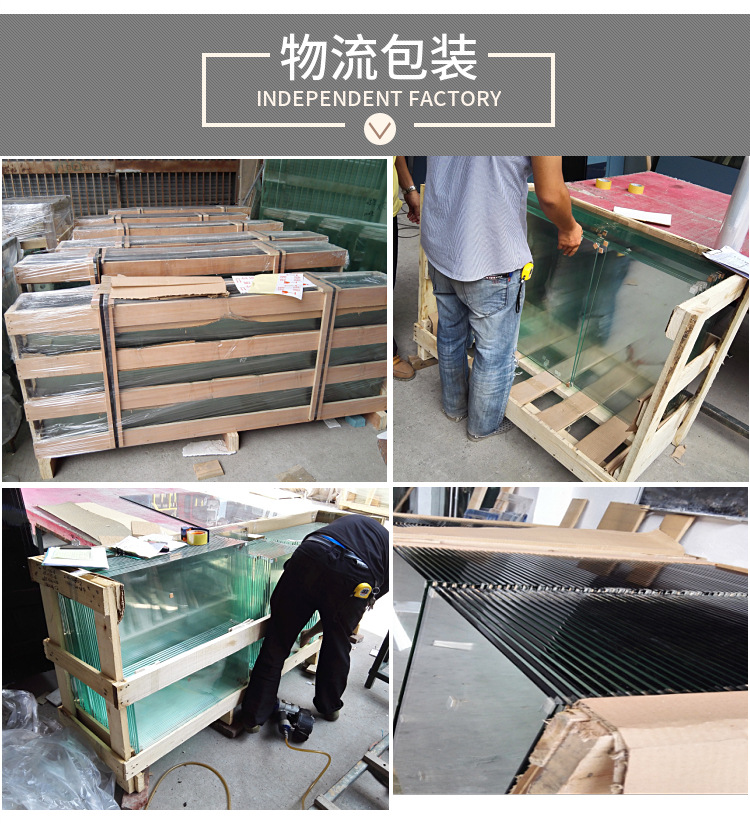
1. During transportation, be sure to pay attention to fixing and adding soft pads.It is generally recommended to use an erect method to transport.The vehicle should also be kept stable and medium-slow.
2. If the other side of the glass installation is closed, be careful to clean the surface before installation.It is easy to use glass detergent, and it must be installed after it is dry and it is confirmed that there are no stains. It is best to use clean construction gloves during installation.
3. When installing glass, silicone sealant must be used for fixing. In the installation of windows, it must also be used in conjunction with rubber sealing strips, etc.
4. After the construction is completed, pay attention to adding anti-collision warning signs. Generally, you can use unblocked stickers or colored electrical tape to remind you.
The ingredients of glass
(1) Ordinary glass (Na2SiO3, CaSiO3, SiO2 or Na2O·CaO·6SiO2)
(2) Quartz glass (glass made of pure quartz as the main raw material, the composition is SiO2 only)
(3) Tempered glass (the same composition as ordinary glass)
(4) Potassium glass (K2O, CaO, SiO2)
(5) Borate glass (SiO2, B2O3)
(6) Add some metal oxides to the colored glass (in the process of ordinary glass manufacturing. Cu2O——Red; CuO——Blue-green; CdO——Light yellow; CO2O3——Blue; Ni2O3——Dark green; MnO2——Purple; colloidal Au——Red; colloidal Ag——yellow)
(7) Color-changing glass (colored glass using rare earth element oxide as colorant)
(8) Optical glass (Add a small amount of light-sensitive substances, such as AgCl, AgBr, etc. to ordinary borosilicate glass raw materials, and then a small amount of sensitizers, such as CuO, etc., make the glass more sensitive to light)
(9) Rainbow glass (made by adding a large amount of fluoride, a small amount of sensitizer and bromide to ordinary glass raw materials)
(10) Protective glass (add appropriate auxiliary materials to the normal glass manufacturing process to make it have the function of protecting the person by transmitting strong light, strong heat or radiation. Such as gray——Chromate, iron oxide absorbing ultraviolet rays and partial visible light; blue -green——Nickel oxide and iron oxide absorb infrared rays and partial visible light; lead glass——Lead oxide absorbs X-rays and r-rays; dark blue——Chromate, iron oxide, iron oxide, iron oxide absorb ultraviolet, infrared and most visible light; add cadmium oxide and boron oxide absorption neutron flow.
(11) Microcrystalline glass (also known as crystalline glass or glass ceramic, it is made of adding crystal cores such as gold, silver, and copper to ordinary glass, instead of stainless steel and gems, and used as rad shields and missile heads, etc.).
(12) Glass fiber (fibers drawn or blown from molten glass with a diameter of several microns to several thousand microns, the same composition as glass)
(13) Glass wire (i.e. long glass fiber)
(14) FRP (a reinforced plastic with a strength similar to steel obtained by combining epoxy resin with glass fiber.)
(15) Cellophane (transparent cellulose film made of viscose solution)
(16) The aqueous solution of water glass (Na2SiO3) is named after the same components as ordinary glass)
(17) Metallic glass (glass metal, generally made by cooling of molten metal)
(18) Fluorite (fluorite) (colorless and transparent CaF2, used as prism and light transmitting lens in optical instruments)
(19) Plexiglass (polymethyl methacrylate)
The characteristics of tempered glass are good and bad Glass is a decorative material that everyone is familiar with. In the past, it was just an auxiliary material for decorative purposes. Nowadays, almost all interior furniture can be made of glass. What’s attractive is that it can bring a fresh and bright atmosphere to the interior space.Glass even enters the kitchen and bathroom. Especially in midsummer, glass products can bring people a refreshing experience like ice.Let’s introduce the characteristics, advantages and disadvantages of tempered glass.
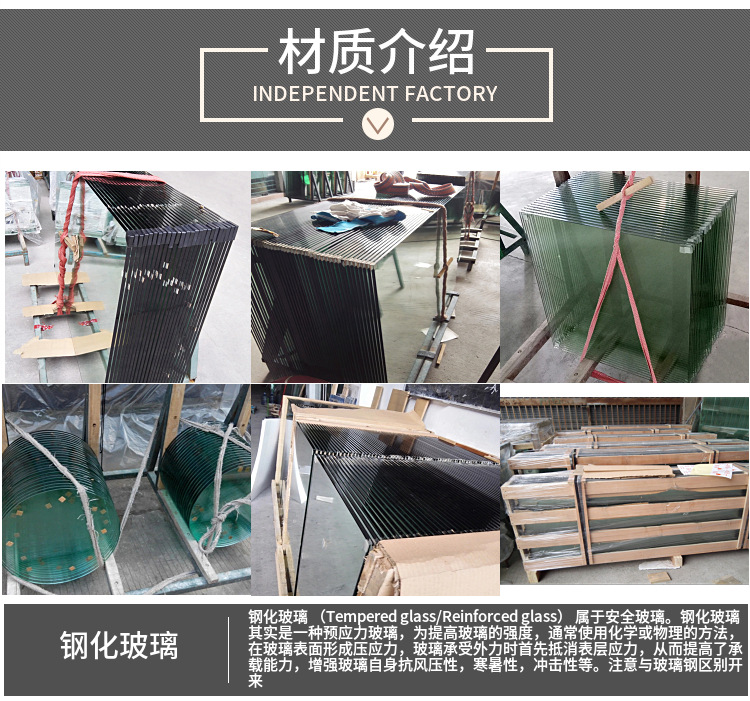
Tempered glass is actually a prestressed glass, which is the strength of the glass. It usually uses chemical or physical methods to form compressive stress on the surface of the glass. When the glass withstands external forces, it offsets the surface stress, thereby enhancing the bearing capacity and enhancing the glass's own wind pressure resistance, cold and heat, impact resistance, etc.
1. The main advantages of tempered glass
It is several times stronger than ordinary glass, with a bending strength of 3 to 5 times more than ordinary glass, and a shock resistance of 5 to 10 times more than ordinary glass, and its strength is also good.
The second is to use, its load-bearing capacity improves its fragile properties. Even if tempered glass is damaged, it has small fragments with no acute angles, which greatly reduces the damage to the human body. The resistant properties of tempered glass are 2 to 3 times higher than those of ordinary glass. It can generally withstand temperature differences of more than 150 LC, and has a significant effect on thermal explosion.
2. Disadvantages of tempered glass
The tempered glass cannot be cut or processed. The glass can only be processed to the required shape before tempering, and then tempered.
The second is that although the strength of tempered glass is stronger than that of ordinary glass, tempered glass has the possibility of self-destruction (breaking by itself) when the temperature difference changes greatly, while ordinary glass does not have the possibility of self-destruction.
3. Characteristics of tempered glass
Tempered glass is to cool the float glass on the surface of the glass when it is heated close to the softening point, so that the compression stress is distributed on the surface of the glass, while the tension stress is in the layer. Because of the strong equal compression stress, the tension stress generated by the external pressure is offset by the strong compression stress of the glass, thereby increasing the degree of the glass.
A. Strength: The mechanical strength, impact resistance and bending strength of the tempered glass can be 4.—5 times.
B. Thermal stability: Tempered glass can withstand huge temperature differences without breaking, and its ability to resist temperature variation is three times that of ordinary float glass of the same thickness.
C. Characteristics: After the tempered glass is damaged, it presents tiny blunt-angle particles, thereby ensuring the human body.Applications: furniture, electronics and electrical industries, construction, decoration industries, bath rooms, automobiles, escalators, and other places with special needs and temperature changes. They can be used as original sheets of hollow glass and laminated glass.