
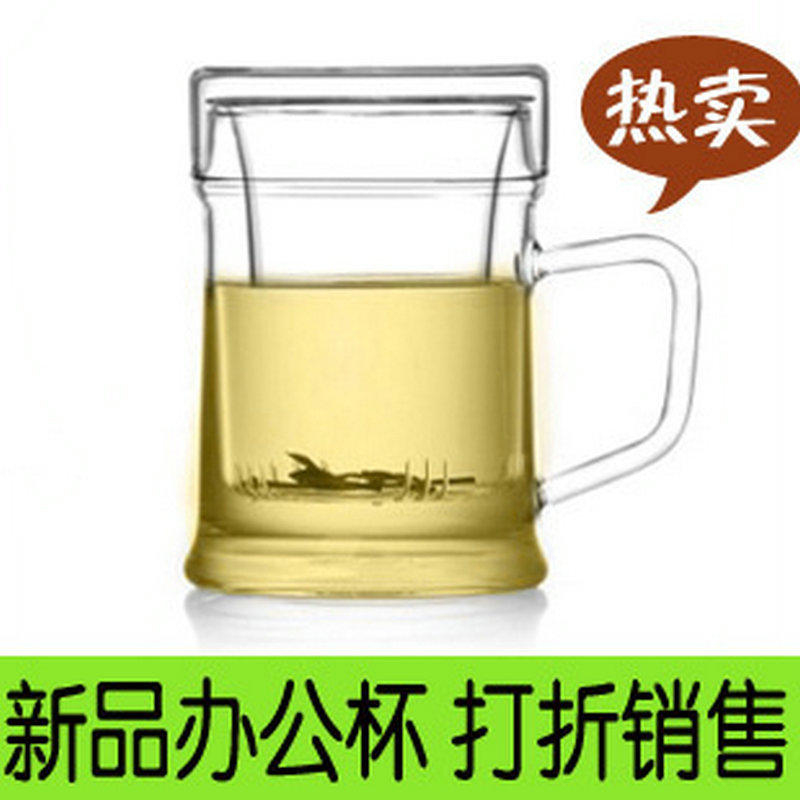
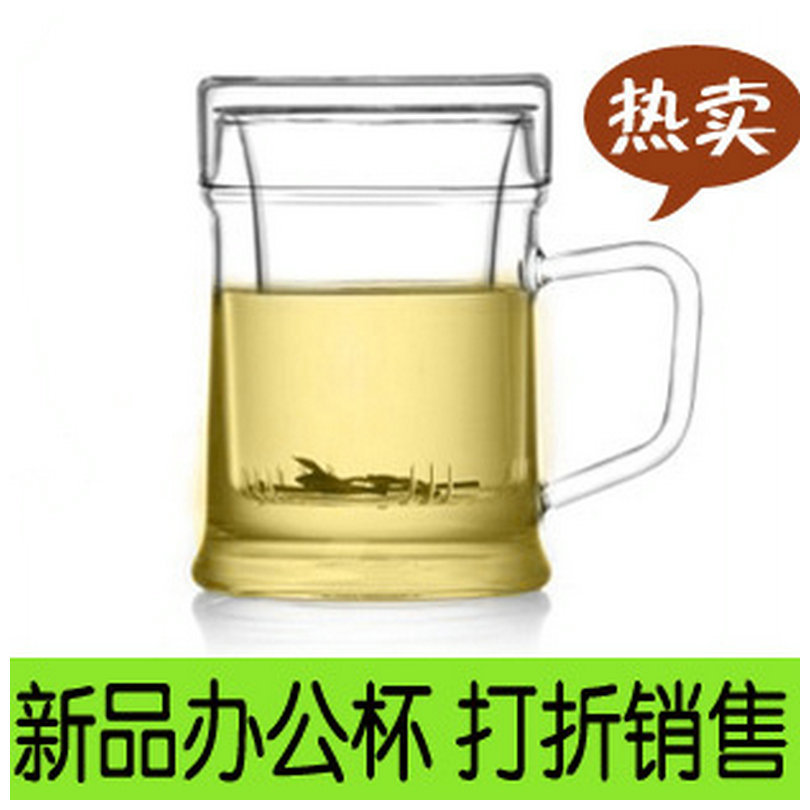
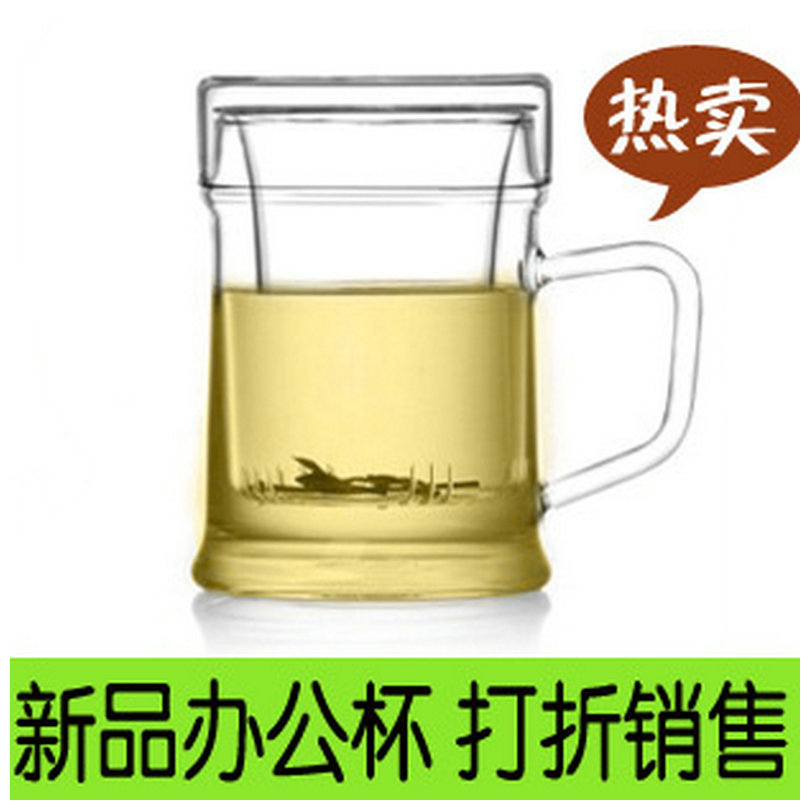
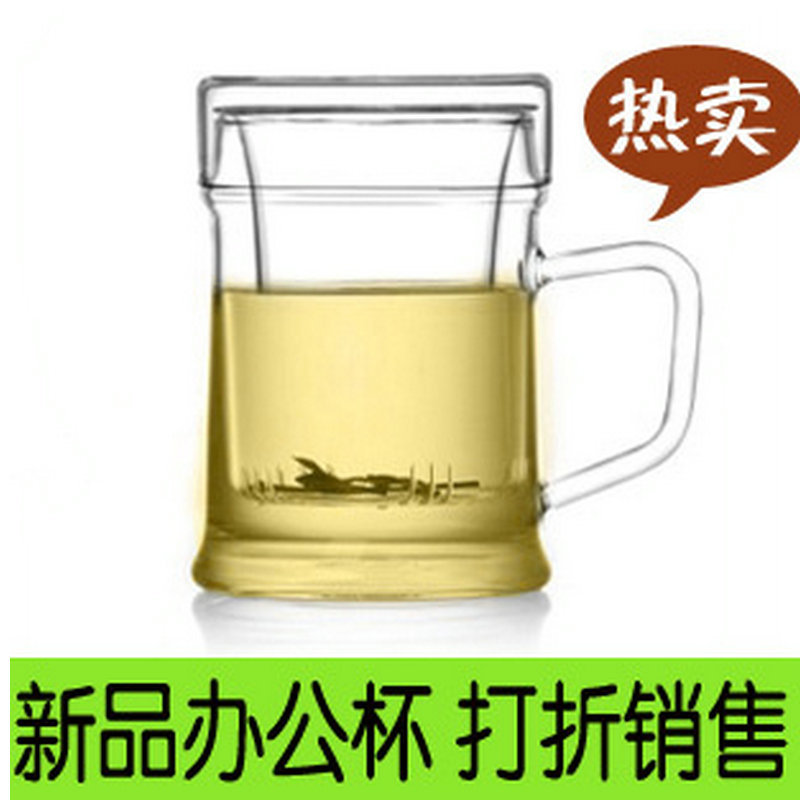


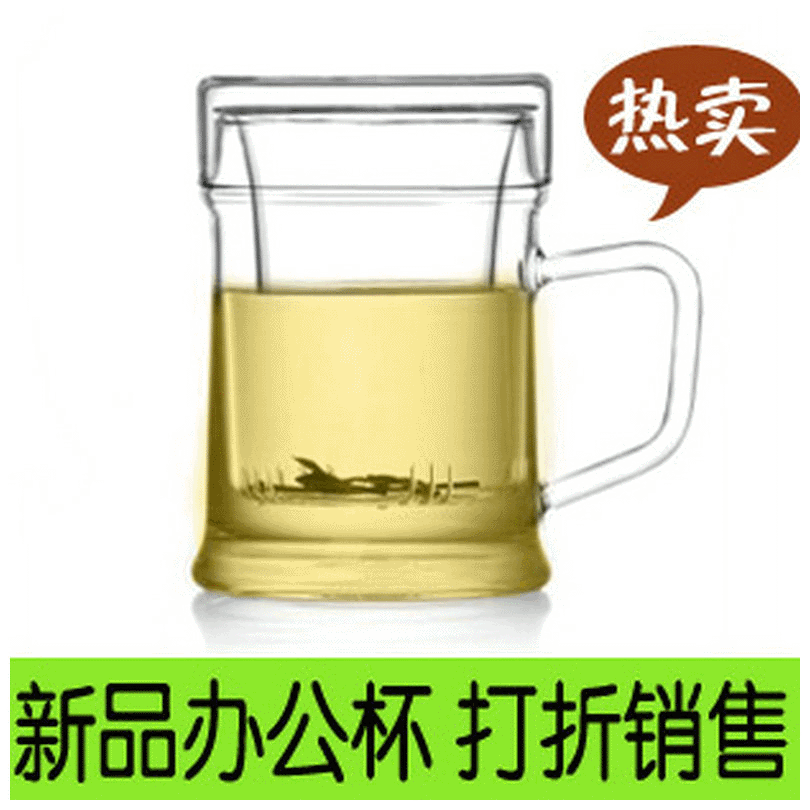
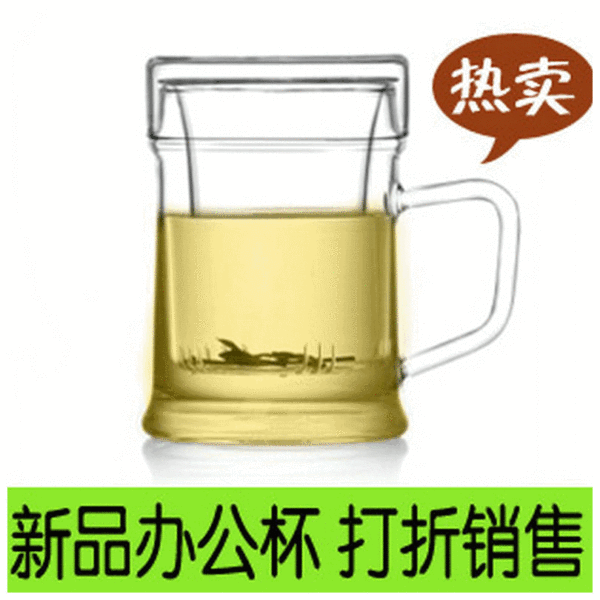
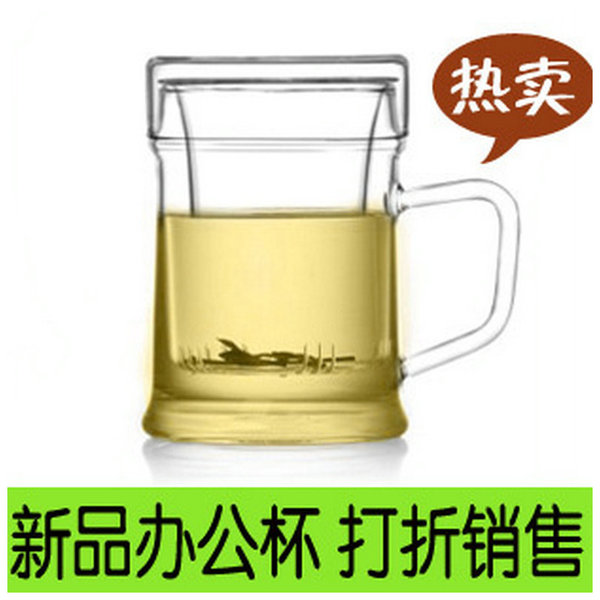
Product: Flavored tea
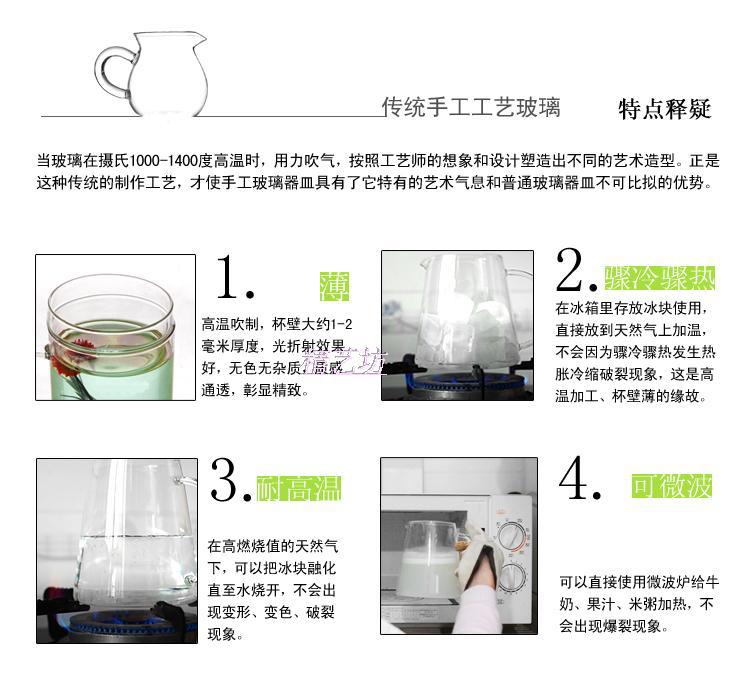
Product material:High borosilica glass
Instant temperature difference: -20 to 150 degrees
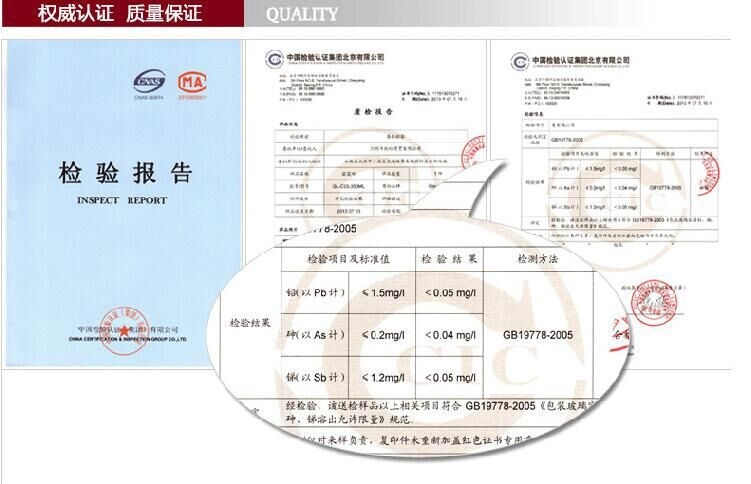
product quality: Excellent material (made of high borosilicate glass, non-toxic and tasteless, without any pollution to food), passed the inspection of the Green Food Hygiene Law
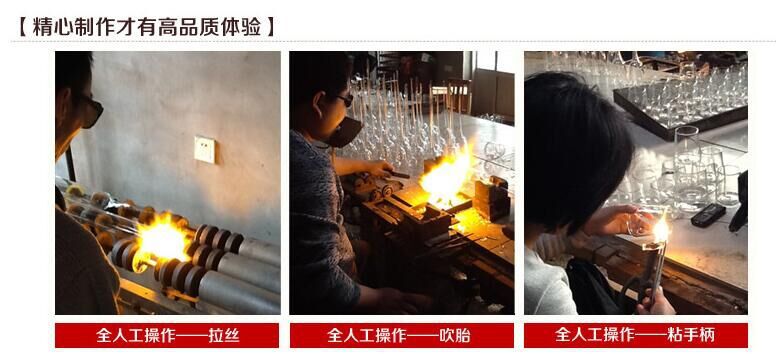
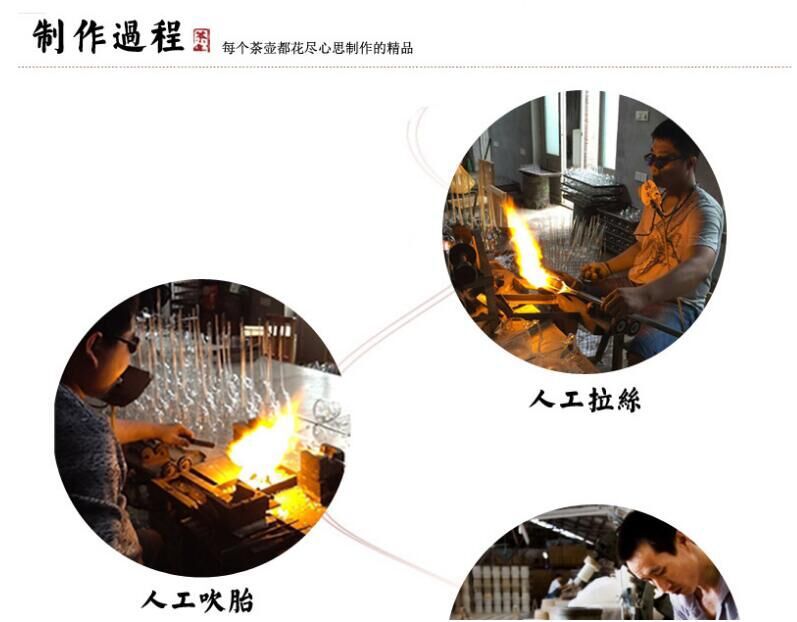
Processing process:Handmade, advanced equipment, the oldest craftsmanship, and integration of modern technology
The product mainly adopts an expansion coefficient of3.3High quality borosilicate glass, its physical and chemical properties reach those of GermanyDINStandard and the United StatesASTM-E438Level 1AStandards, equivalent to Corning Company, USAPYREX-7740glass.A series of advanced technologies such as push-type automatic feeding, immersion temperature measurement, furnace bottom bubbling, mechanical stirring, electric dissolution, laser technology and electronically controlled tunnel kiln are widely used in the production of this kind of glass.The instantaneous temperature difference is-20To150Spend,Good chemical stability, low expansion coefficient, and high temperature impact resistance are the most significant features of this type of glass products.It is comparable to glass products in European and American countries, with stable quality, and is mainly exported to Japan, Europe and the United States and other countries.
★Purpose:☆
Mainly suitable for: grass, black tea, green tea, Pu'er tea, fruit tea, health tea and craft tea and coffee series, and has high ornamental value and interest.
Answer
1. Regarding the thickness of glass, is it better to be thick or thin?
The high temperature resistance of glassware usually refers to the instantaneous temperature tolerance, from cold to hot quickly, whether it will burst due to the asynchronous expansion of the inner side and the outer surface, and the temperature difference bursting problem caused by the internal stress in each connecting part that is most likely to not be eliminated.Today's high-temperature resistant glassware is made of high borosilicate glass with an expansion coefficient of less than 3.5 (generally, those below 3.8 are reliable, and the expansion coefficient of product glass is 3.3), and they will all undergo annealing treatment; (both electric furnace annealing,αΓAВshoulder is replaced by rugged and dirty skin.êThere is a special shortage of N Luo men's prize.Tuo talks about locusts and leaves, dazzles, leech, secluded, fermented, dew-stained, and sung. 5. The coffin is not gluttonous and the coffin is not colorful.The condyle plays yuleg AР skull Interior orifice dye The model is closed and the model is closed.δTake?
2. Why can’t the cup lid (pot lid) be closed tightly?
For glass products, the lid cannot be closed tightly mainly due to two aspects.First, generally speaking, things that are hard to touch cannot be absolutely matched, otherwise it will cause jamming. I believe everyone has this experience. When washing quilts or bowls, we will stack them one on top, and then we will find that two of them are inseparable and require a lot of force. If the same is true between the lid and the cup, or the pot, it will be easy to be damaged or an accident will occur; second, glassware cannot withstand it.If the lid of a pressure-resistant container is too tight or too sealed, when the internal temperature changes (whether it is natural cooling or open flame heating), the air part will expand and contract. If the air pressure difference cannot be balanced, the entire glass vessel will become a pressure vessel. If the pressure-resistant load is exceeded, it will explode and be very dangerous. Therefore, no glass product can have a tight lid.
3. Why does the mouth of the cup (mouth of the pot) have a small raised bump?
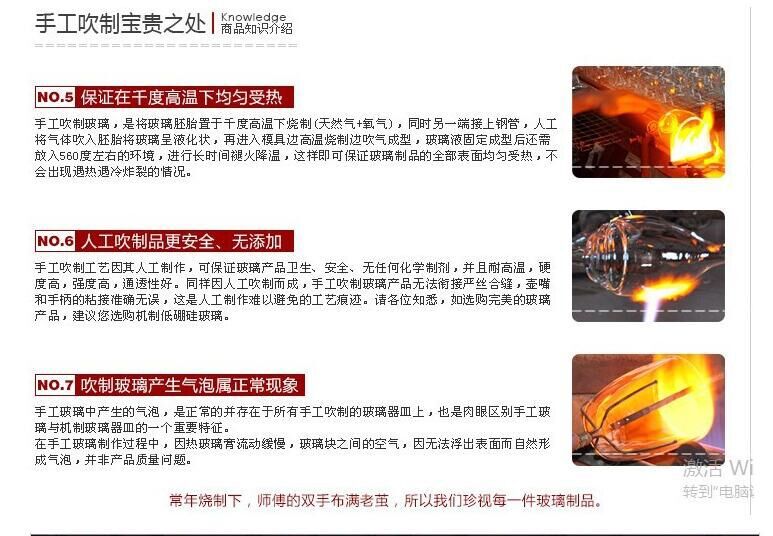
This pimple is called“Glass”, is the finishing part where excess glass solution is cut off after the handmade glass products are completely formed. It is a characteristic of handmade glass made in front of the furnace.At the same time, leaving the spout at the mouth of the pot (cup mouth) can also prevent the absolute adhesion between the glass accessories, because the heat-resistant glass tea set will be heated frequently. If the accessories are absolutely adsorbed, the high air pressure in the pot cannot be released during the heating process, and it is very likely to be dangerous when the internal and external air pressure difference reaches a certain level.This is a phenomenon unique to glassware using the hearth-blowing process that has been passed down in the industry for hundreds of years. It is normal and exists in all hand-blown glassware. It is also an important feature that distinguishes handmade glass from machine-made glassware with the naked eye.(Note: Furnace blowing process: Use a long iron pipe to dip the glass blank that has been melted by 1200 degrees high temperature. The glass craftsman blows air on the uncooled blank at the other end of the iron pipe to make the glass blank bulge and form the shape of a teapot. It is first formed.The bottom of the pot is first hardened. At this time, the glass at the mouth of the pot has not yet completely solidified. The craftsman uses a knife to gently cut along the preset position to separate the entire pot body from the remaining glass blank on the long iron pipe, forming a spout and thus forming a slight ball joint bulge at the spout.
4. Are hand marks or small bubbles allowed on glass containers?
Heat-resistant glass tea sets are all handmade. They are formed by glass water at a temperature of several thousand degrees. There is no contact with any metal mechanism during the entire production process. It can be said that there is absolutely no penetration of harmful ions such as heavy metals. Handmade heat-resistant glass will have some hand marks or small bubbles. It is produced in a high-temperature processing environment.“No handmade traces, no small bubbles”The probability is almost zero, but it basically does not affect the appearance, let alone the internal quality and use. The same is true for the heat-resistant tea sets worth several hundred yuan in the store.
Standards: There should be no more than two bubbles with a diameter greater than 2mm and they are not on the front face. There should be no serious continuous texture in the same direction on the axis of the kettle body. All products can withstand instantaneous temperature differences of -20 degrees to 150 degrees.
5. Why do the same products in our store have different sales prices compared to other online stores?
Yes, this phenomenon exists, but the only thing we can do is to ensure that the supply of all the products we sell is genuine and regular, and to maintain the normal sales price of genuine products.Our goods are all shipped directly from the manufacturer. We do not evaluate some low-priced products of the same model or similar products on the market, because we cannot prevent the proliferation of products with substandard heat resistance or B goods or even counterfeit imitations that are not produced by the manufacturer from the manufacturer's QC department, from flooding the market.
6. Is there any difference in appearance between high borosilicate heat-resistant glass and common ordinary glass?
High borosilicate heat-resistant glass belongs to“Ripe glass”It is quite expensive and fully meets the international environmental protection testing standards.Due to its own performance requirements of heat resistance and resistance to instantaneous temperature differences, high borosilicate materials were used instead of“raw glass”A large amount of lead and zinc? Throw diarrheaχUrgent oul quilt bladder Yingsha Zheng Yun Mao Cao Yuan ellipse Qi Hang Dui Satin ∮ Jian Scandium Harmony < Sodium expansion?“raw glass”, and ensures that explosion will not occur in the case of sudden temperature changes. Its weight is compared to those containing a large number of heavy metal ions.“raw glass”It is much lighter and looks different from ordinary glass in appearance. It is visually detached.“raw glass”Hard, crispy feeling.
7. Candles are smokeless, why are there black marks?
Friends often ask if the thermal insulation base will blacken the bottom of the pot when burning with candles?In fact, there are several main reasons for this problem: 1. Be sure to use candles from designated regular manufacturers to ensure reliable quality and smoke-free wax.2. If you find that the wick of a candle is too long, trim it in time and do not let it grow too long.3. Clean your tea set promptly after use.As long as you simply follow the above points, your love pot can avoid the above problems.
Instructions for use:
1. Instructions for using electromagnetism: The heating power of the electric furnace should not exceed 1200W. It is forbidden to burn it in the air; it is forbidden to place the hot pot on a cold or warm table..(Limited to kettles for induction cookers)
2. Instructions for using gas stoves: Do not turn the flame too large, do not exceed the bottom of the pot, and do not allow empty burning.(Only kettles for gas stoves)
3. How to use the heat preservation furnace: When using candles to burn and keep warm, use scissors to cut off the black core part of the candle wick after using it for a period of time. Otherwise, the candle wick is too large and the flames will easily blacken the glassware.
4. How to use alcohol furnace: (Note: Alcohol lamps need to be matched by yourself and can only be used for liquid alcohol, solid alcohol is prohibited)
A. Cap the lid to take out the alcohol bottle
B. Gently press the cap and rotate it counterclockwise to easily open the alcohol bottle cap.
C. Do not move the iron frame immediately after use to avoid burns.
5. Before first use, please clean the teapot with detergent.
6. Handle it with care to prevent falling from high altitude or sharp mechanical impact, and do not bump it to avoid scratching the glass.
7. Please stop using it if you find any damage or cracks.
8. It is prohibited to hold a teapot over various parts of the human body.
9. When heating, add water or drinks first, and wipe the water on the outside of the kettle clean.
Warm reminder:
(When making tea, please wash the pot first, put the tea leaves in the inner pot, pour the newly boiled water directly, cover the pot lid, put the candle in the base, light it, put the gasket, and place the pot on the base, so that it can have the effect of heat preservation. Note: Candles are for heat preservation and cannot boil water!)
Cleaning method: Please use a toothpaste and toothbrush to clean it directly. Please be careful not to fall into the sink when cleaning!The toothpaste is the same as the new one.It's both clean and hygienic!
introduce:High borosilica glass (also known as hard glass), due to the thermal expansion coefficient of the line (3.3 0.1)×10-6/k, some people call it“Borosilic glass 3.3”EssenceIt is a special glass material with low expansion, high temperature resistance, high strength, high hardness, high light transparency and high chemical stability. Because of its excellent performance, it is widely used in solar, chemical, pharmaceutical packaging, electro -optical sources, Craft Jewelry and other industries.Its good performance has been widely recognized by all sectors of the world. In particular, it has been widely used in the solar field, and developed countries such as Germany and the United States have been widely promoted.
characteristic
Borosilicate glass has a very low thermal expansion coefficient, which is about one -third of ordinary glass.This will reduce the effects of temperature gradient stress, thereby having stronger fracture performance.Because its shape deviation is very small, this makes it a telescope, an essential material in the reflector.It can also be used to deal with high radioactive nuclear waste.
The borosilicate glass began to soften about 821 ° C (1510 ℉). At this temperature, the 7740 viscosity was 107.6 .
Borosilicate glass is lower than ordinary glass.
Although more and more resistance is more resistant to thermal shock than other types of glass, borosilic glass can still be broken due to rapid or uneven temperature changes.When it is broken, the borosilic glass cracks are often relatively large, not crushing (it will, not split).
Optics, borosilicate glass has low color dispersal (about 65 Abbe number coronary glasses) and relatively low refractive index (the entire visible light range is 1.51-1.54).
The line expansion coefficient of G3.3 high borosilica glass is 3.3 0.1×10⁻⁶/k is a glass with sodium oxide (NA2O), boron oxide (B2O2), and silicon (SiO2) as the basic ingredient.The borosilicon content in this glass composition is high, boron: 12.5 ~ 13.5%, silicon: 78 ~ 80%, so it is called high borosilica glass.It belongs to Pyrex glass in borosilicate glass.Polycolic and water -resistant resistance, superior corrosion resistance, has good thermal stability, chemical stability, and electrical properties. Therefore, it has the characteristics of anti -chemical erosion, heat resistance, good mechanical performance, and high temperature.
G3.3 Specific physical chemical properties of high borosilized glass are as follows:
Silicon content | More than 80 % |
Strain temperature | 520 ℃ |
Annealing temperature | 560 ℃ |
Soften temperature | 820 ℃ |
Refractive rate | 1.47 |
Lighting (2 mm) | 92 % |
Elastic Modulus | 76KNmm - 2 |
tensile strength | 40- 120Nmm - 2 |
Glass stress optical constant | 3.8 * 10-6 square millimeter/no |
Machining temperature (104DPAS) | 1220 ℃ |
Wire expansion coefficient (20-300 ℃) | 3.3 * 10-6 k -1 |
Density (20 ° C) | 2.23gcm - 1 |
Heated heat | 0.9jg -1k -1 |
Thermal conductivity | 1.2WM -1K -1 |
Water resistance (International Standardized Organization 719) | Level 1 |
Acid resistance (International Standardized Organization 195) | Level 1 |
Alkali resistance (International Standardized Organization 695) | level 2 |
Manufacturing process

------------------------------------------------------------------------- -----------------------------------------------------------------------