


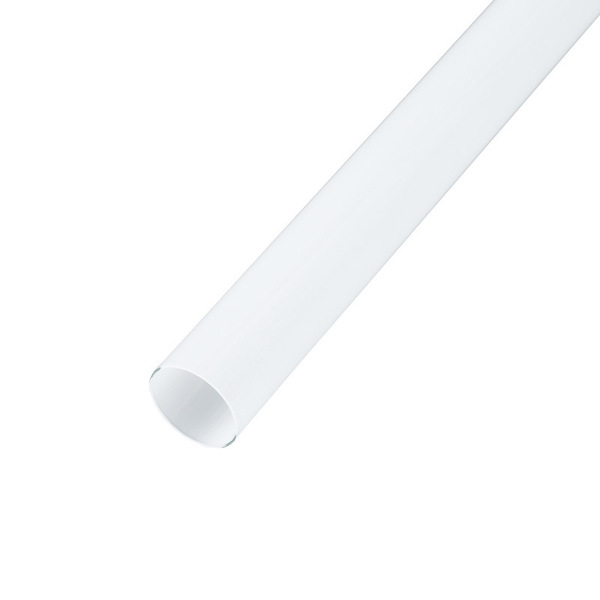
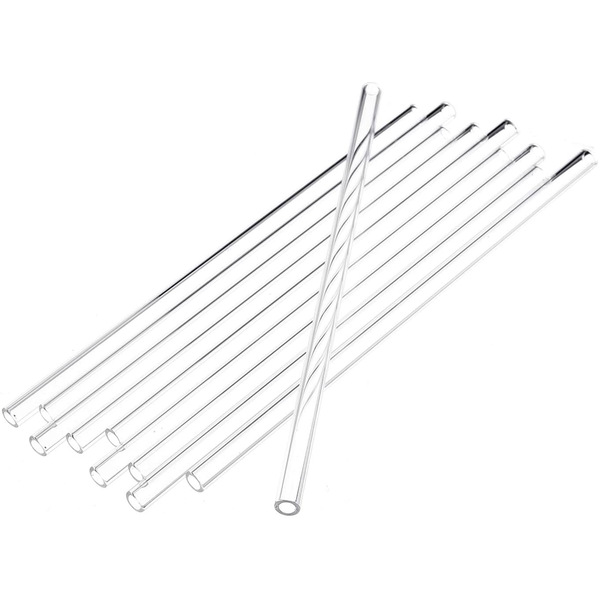
Product: Custom T8 lamp tube kit shell coated frosted powdered soda calcium…
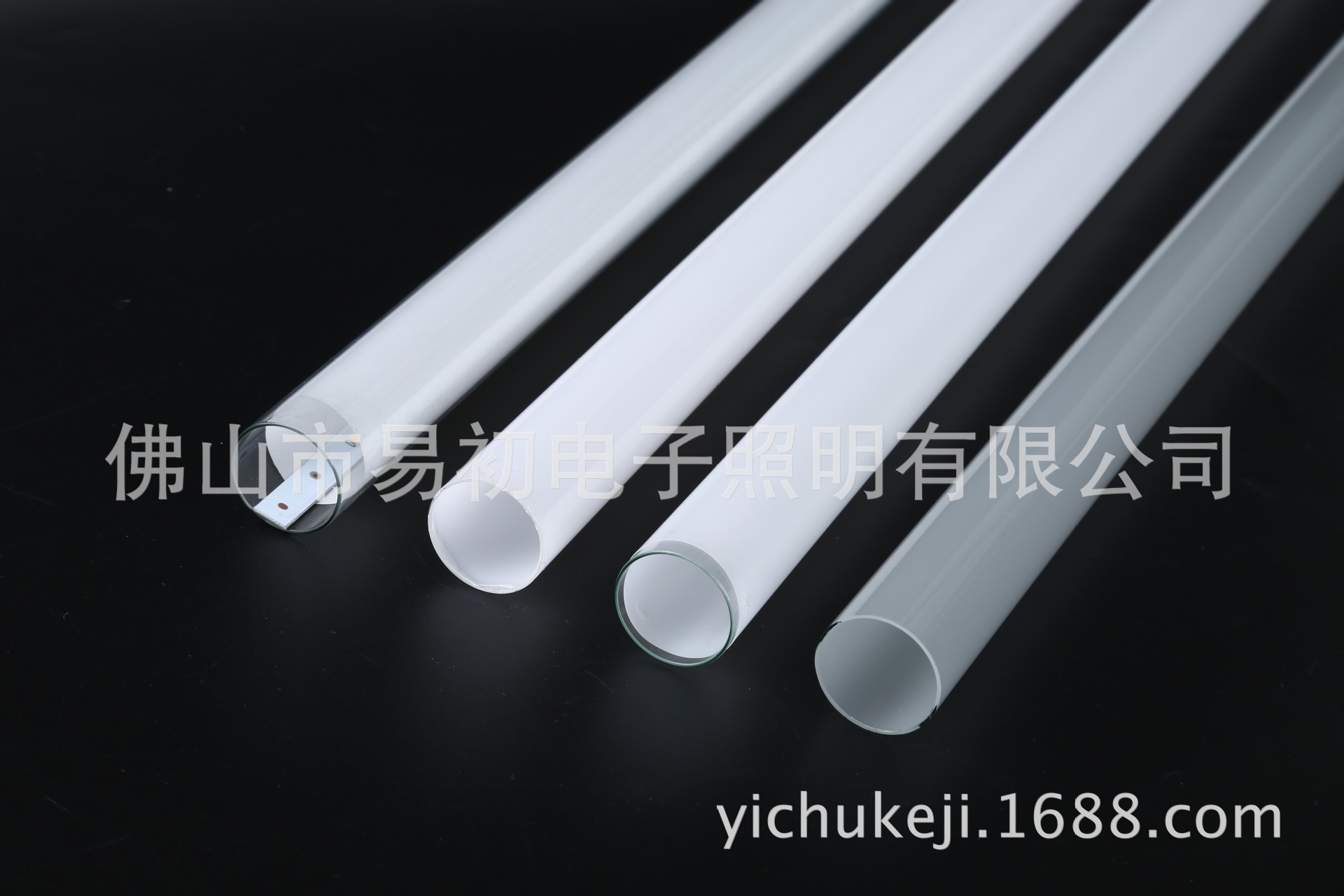
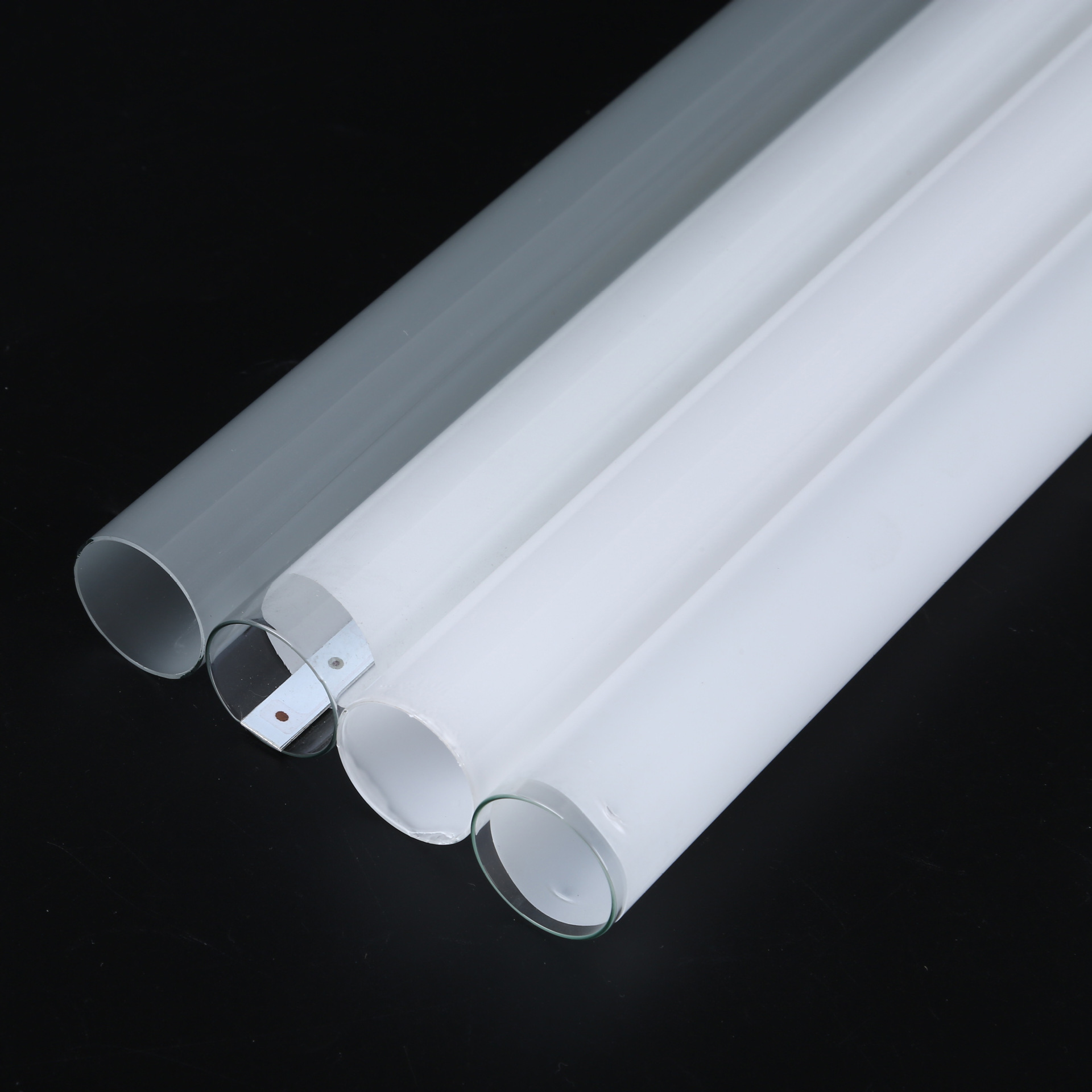
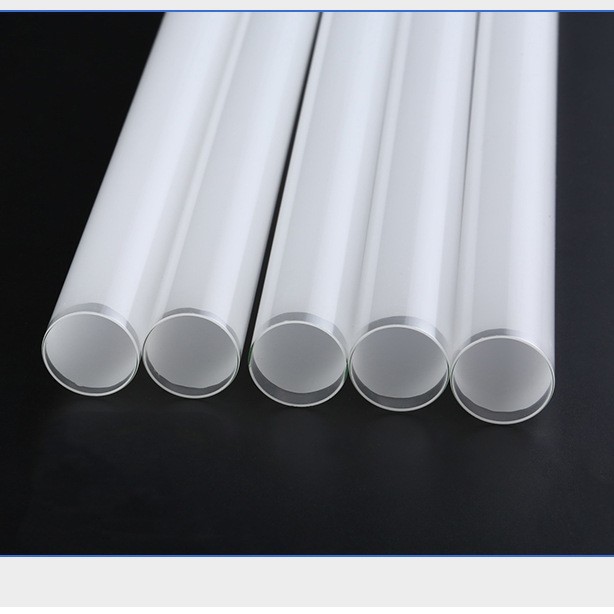
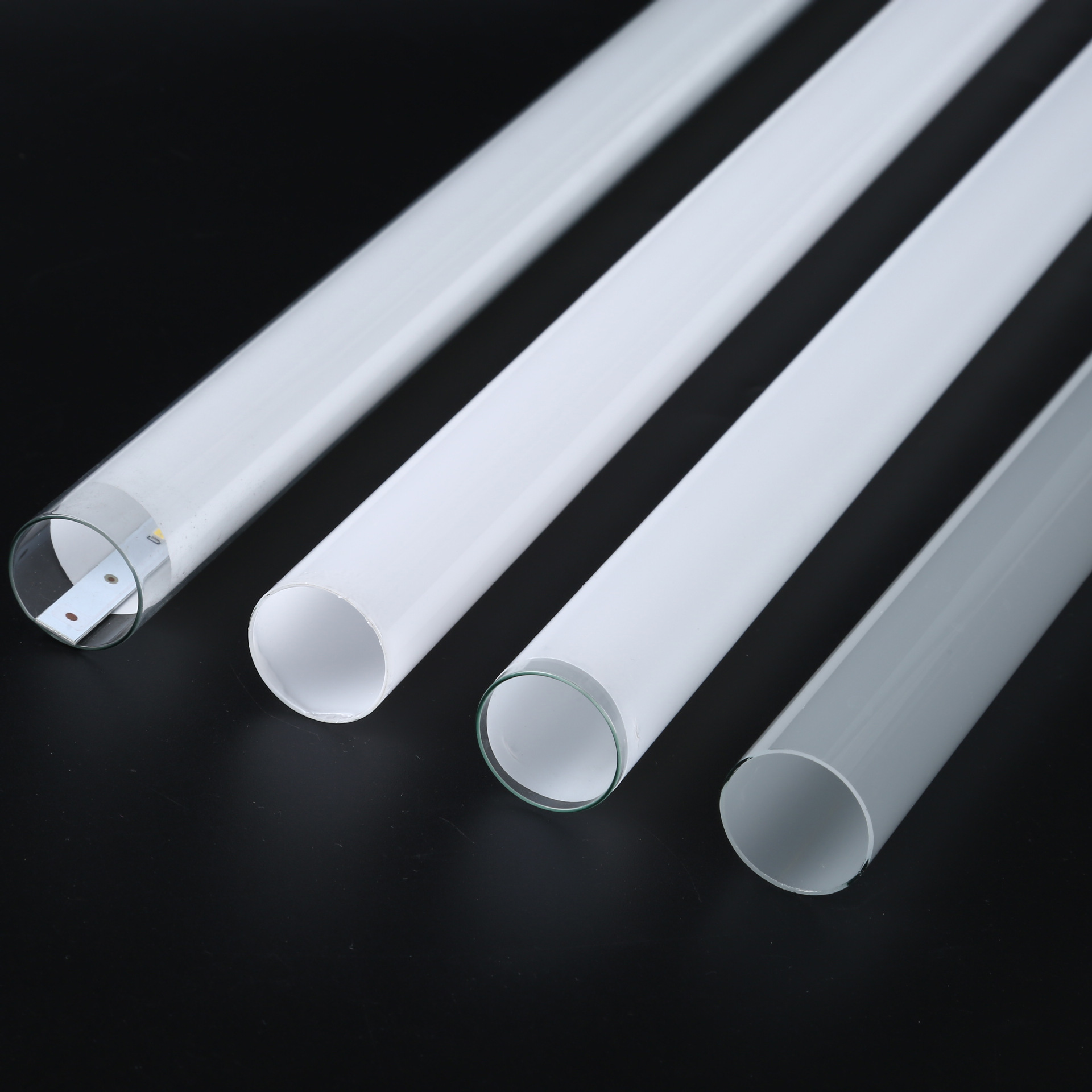
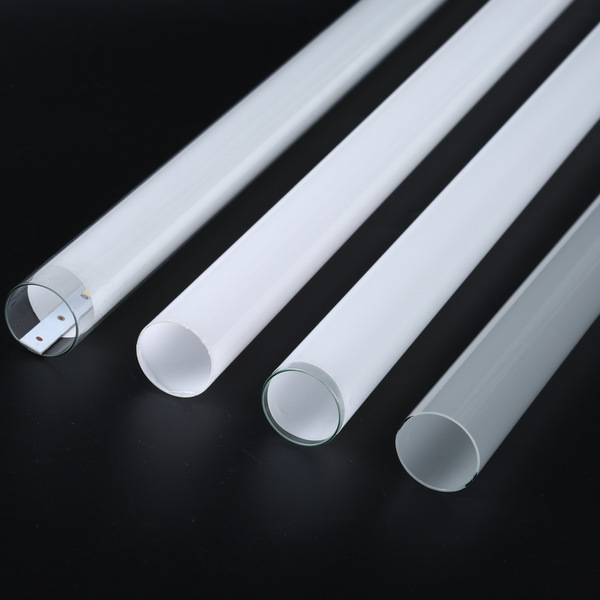
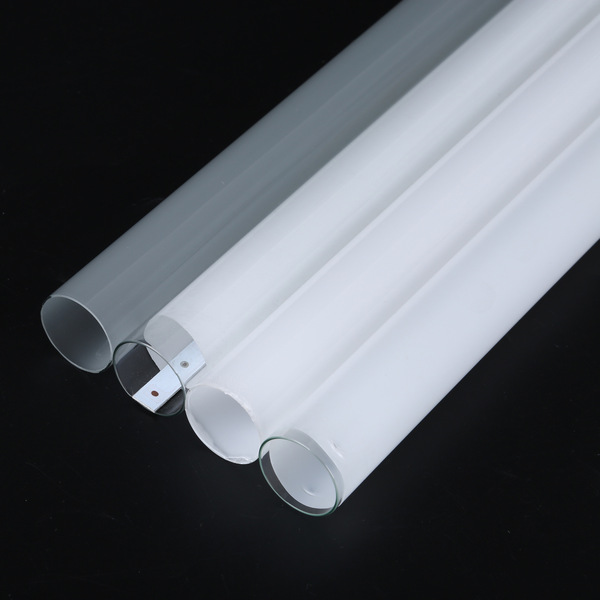
The four products in the picture above are inner-coated glass tubes, powder-coated glass tubes, outer-coated glass tubes, and frosted glass tubes.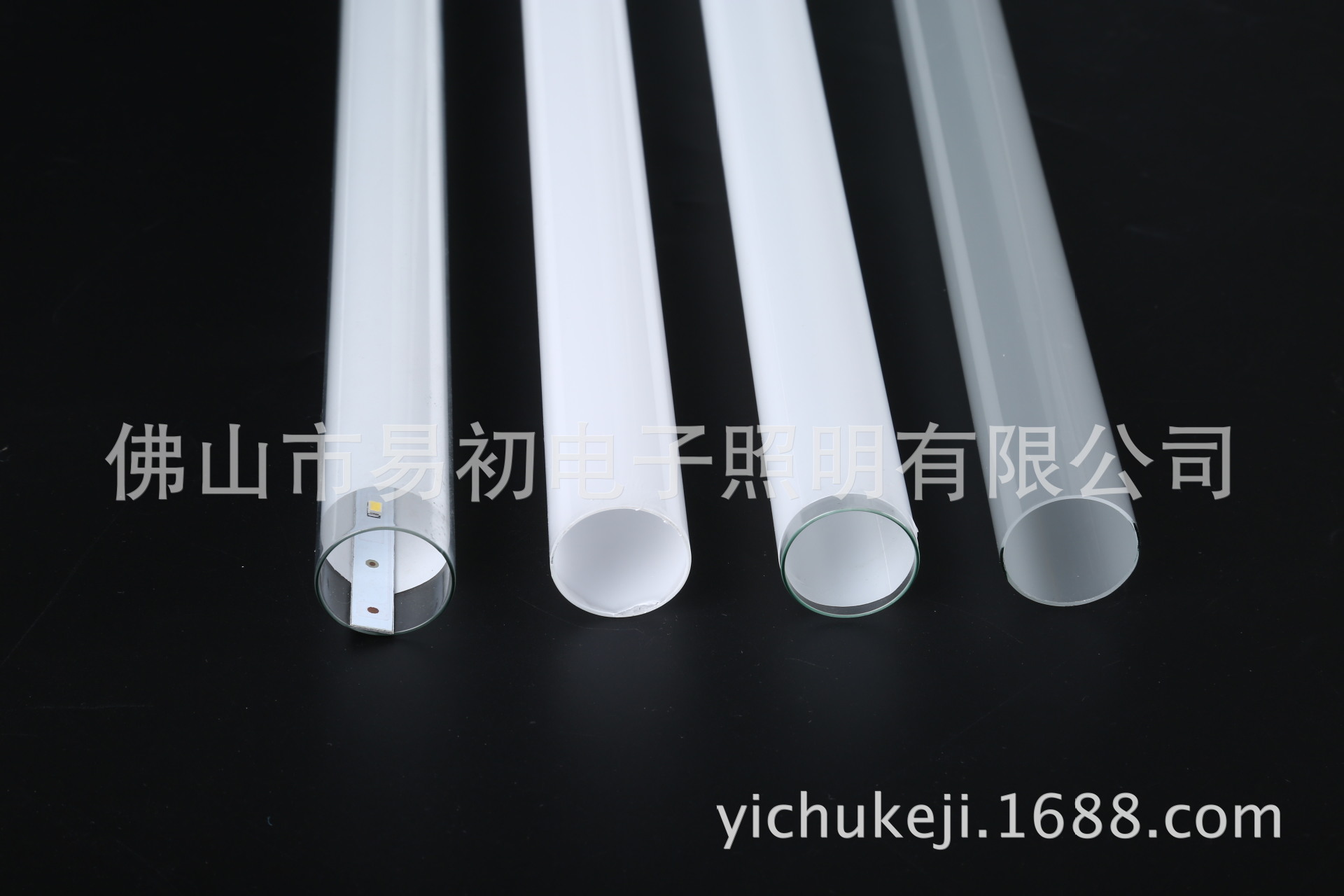
Inner-coated glass tube: The substrate is first glued to the glass tube. The thickness of the PET optical astigmatism film inside the glass tube is 0.035mm. The light transmittance is 85-95 by replacing the astigmatism film with different light transmittances and can be adjusted at will. It is a good process for producing high-efficiency lamps, and the environmental protection level reaches food grade. Because the process technology is relatively difficult, there is a schematic diagram of the coating process at the back of this page, and our company can OEM and install it.

Frosted glass tube: It is a principle that relies on acid corrosion of countless small holes invisible to the naked eye to refract light astigmatism. It is divided into inner frosted glass tube and double-sided frosted glass tube. The transmittance is between 93-95. Generally, the installation process will have light spots, but the process of producing high-light-efficiency lamp tubes is inherently complicated.This is a process of studying how to shield light spots, and there are many ways. In addition, this frosted glass tube is a good material for producing purple lamps and plant growth lamps. It will not change the wavelength of light and will not be distorted, and it can also shield defects in the tube. The defect of this product: the glass production process is not environmentally friendly enough.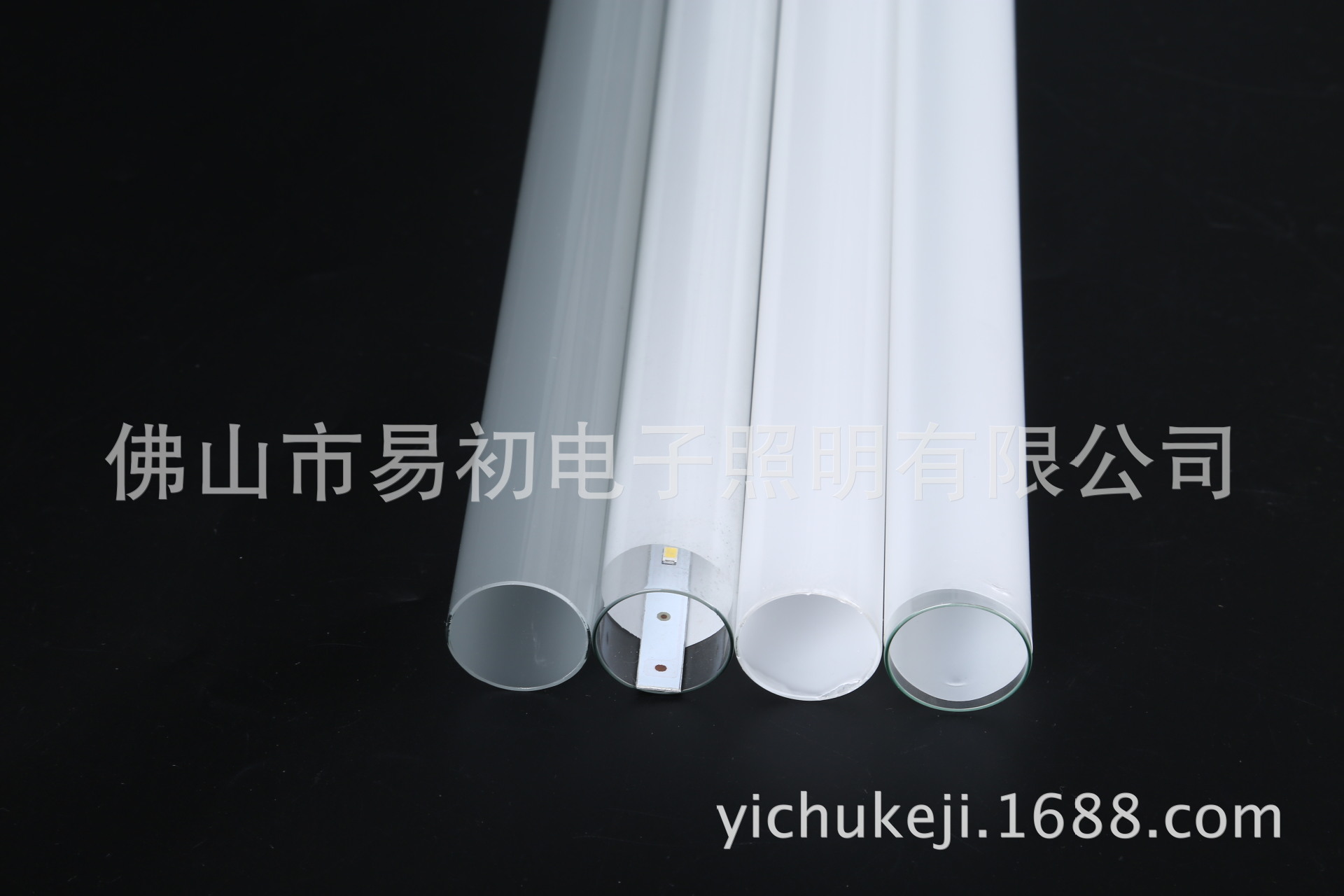
Outer-coated glass tube: The outer wall of the glass tube is covered with a layer of PET astigmatism shrink film, with a light transmittance of about 90. The modified product is mainly for North American countries, which require explosion-proof glass. Even if the glass tube is rotten, it will still be in the shape of a lamp and will not be scattered. Any live parts cannot be exposed; Disadvantages: The equipment requirements for external coating are relatively high and the cost is high.
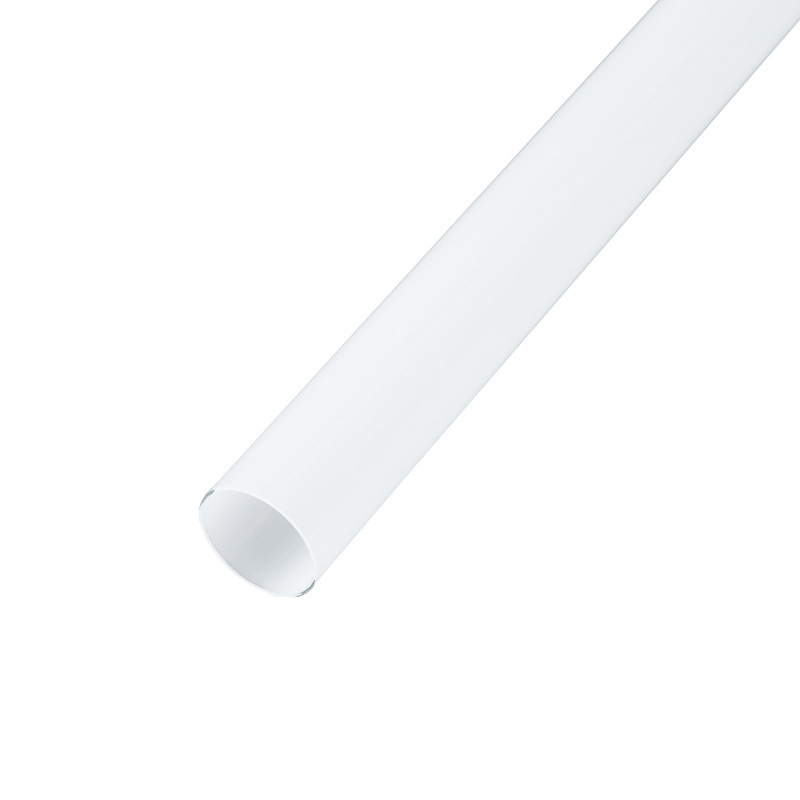
Powder-coated glass tube: divided into water-based paint and oil-based paint. Currently, this technology is relatively mature and used by many factories. I won’t go into too much detail here.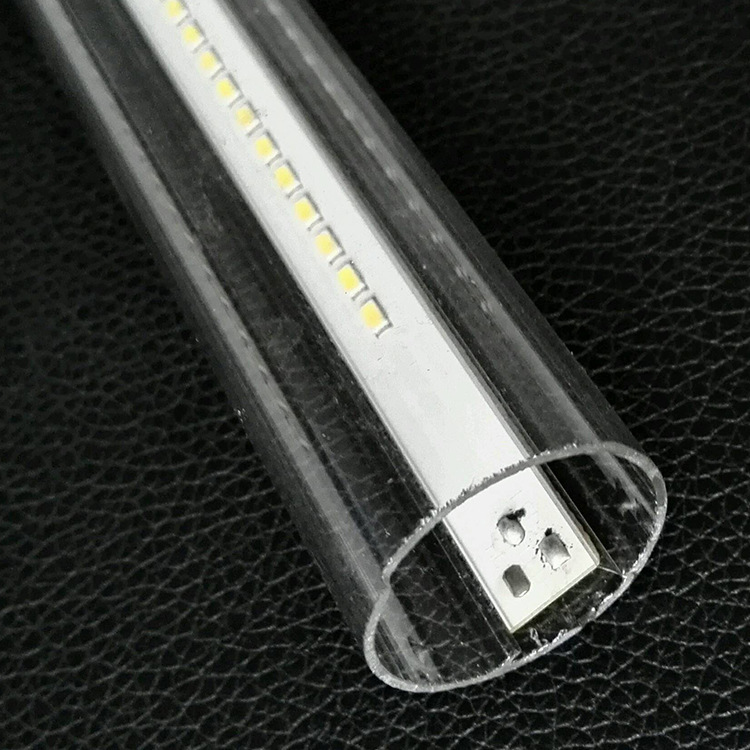
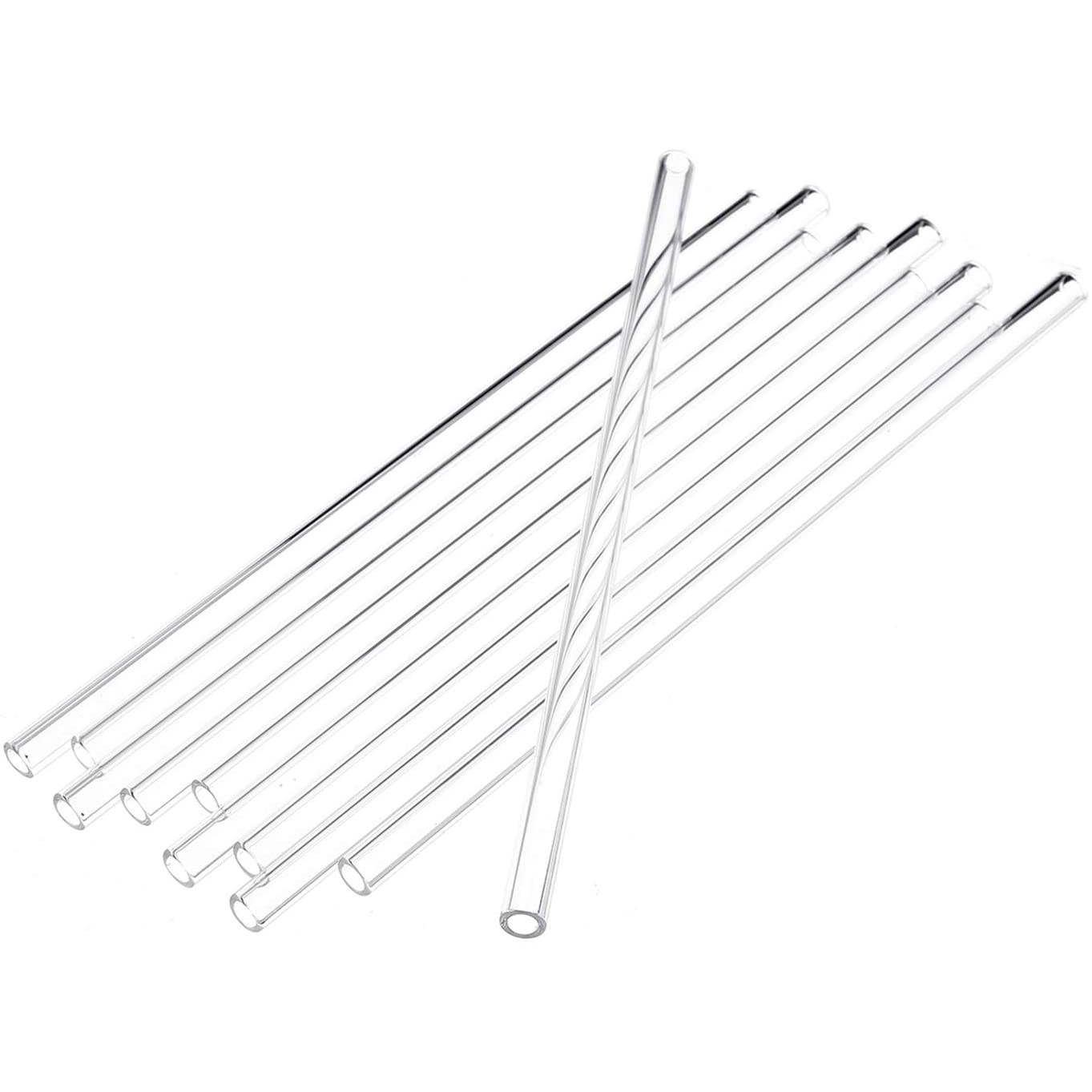
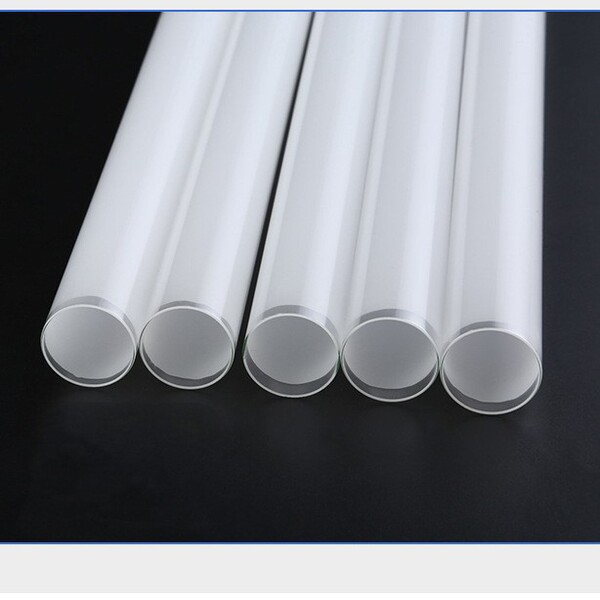
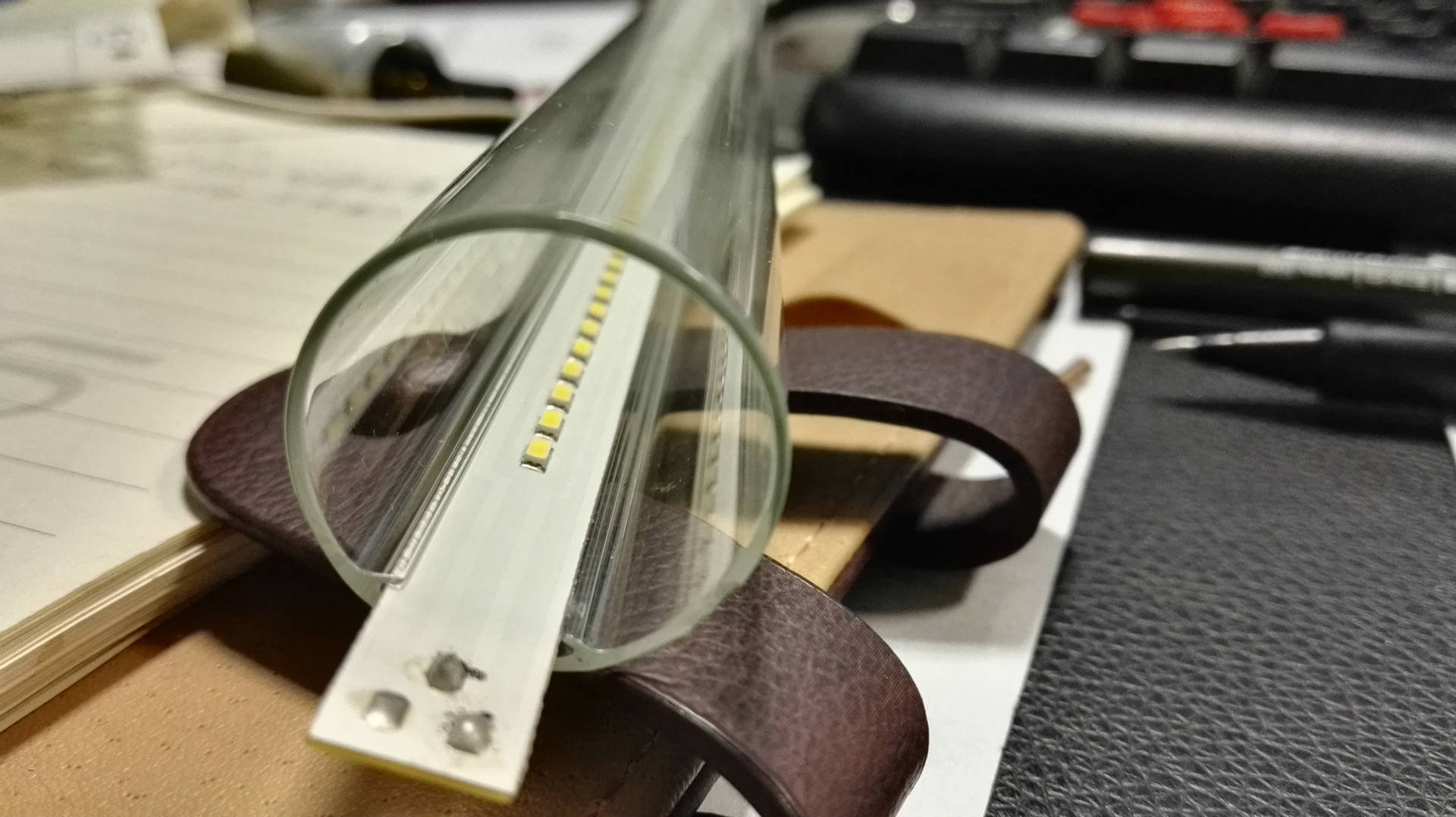
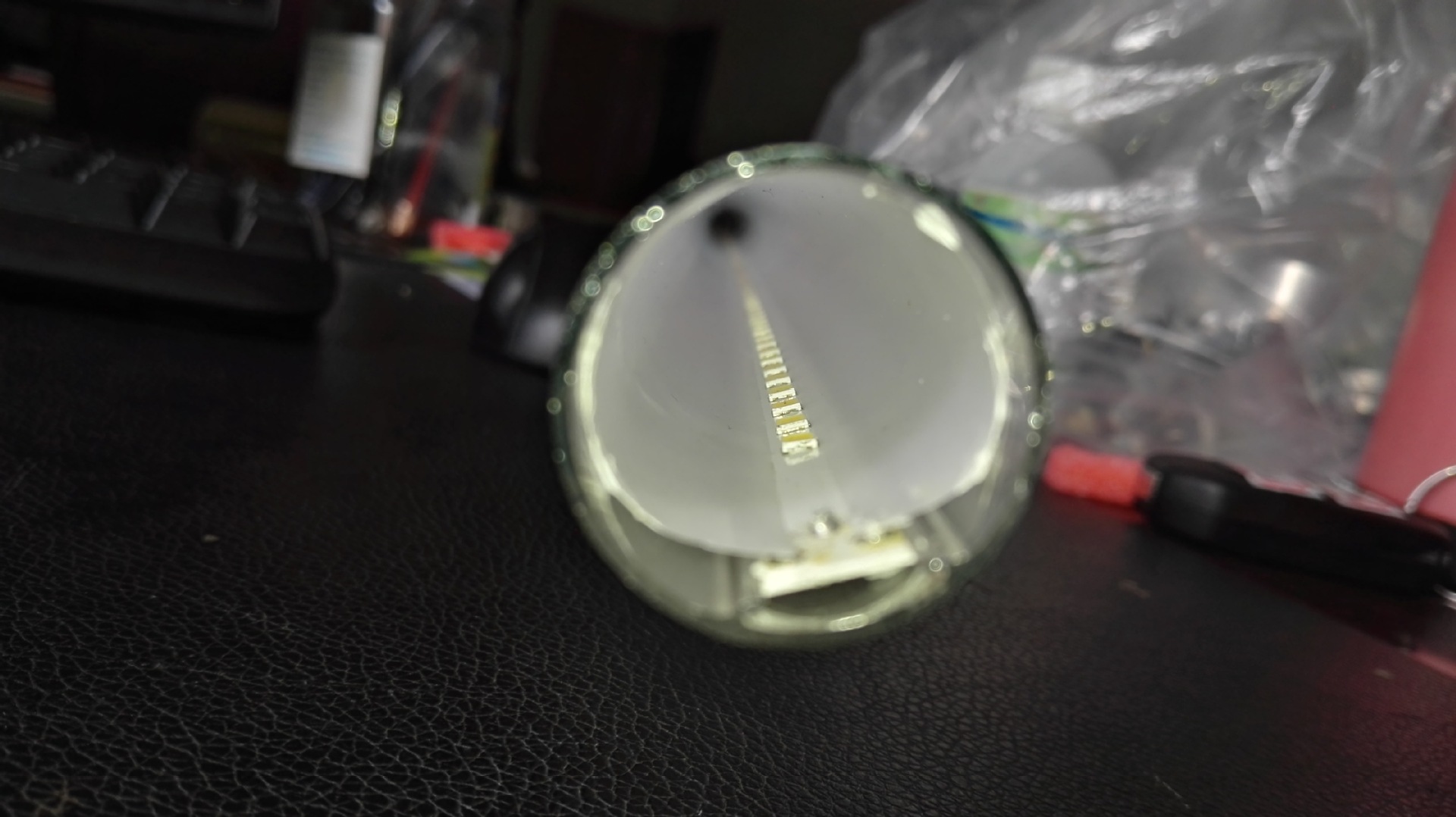
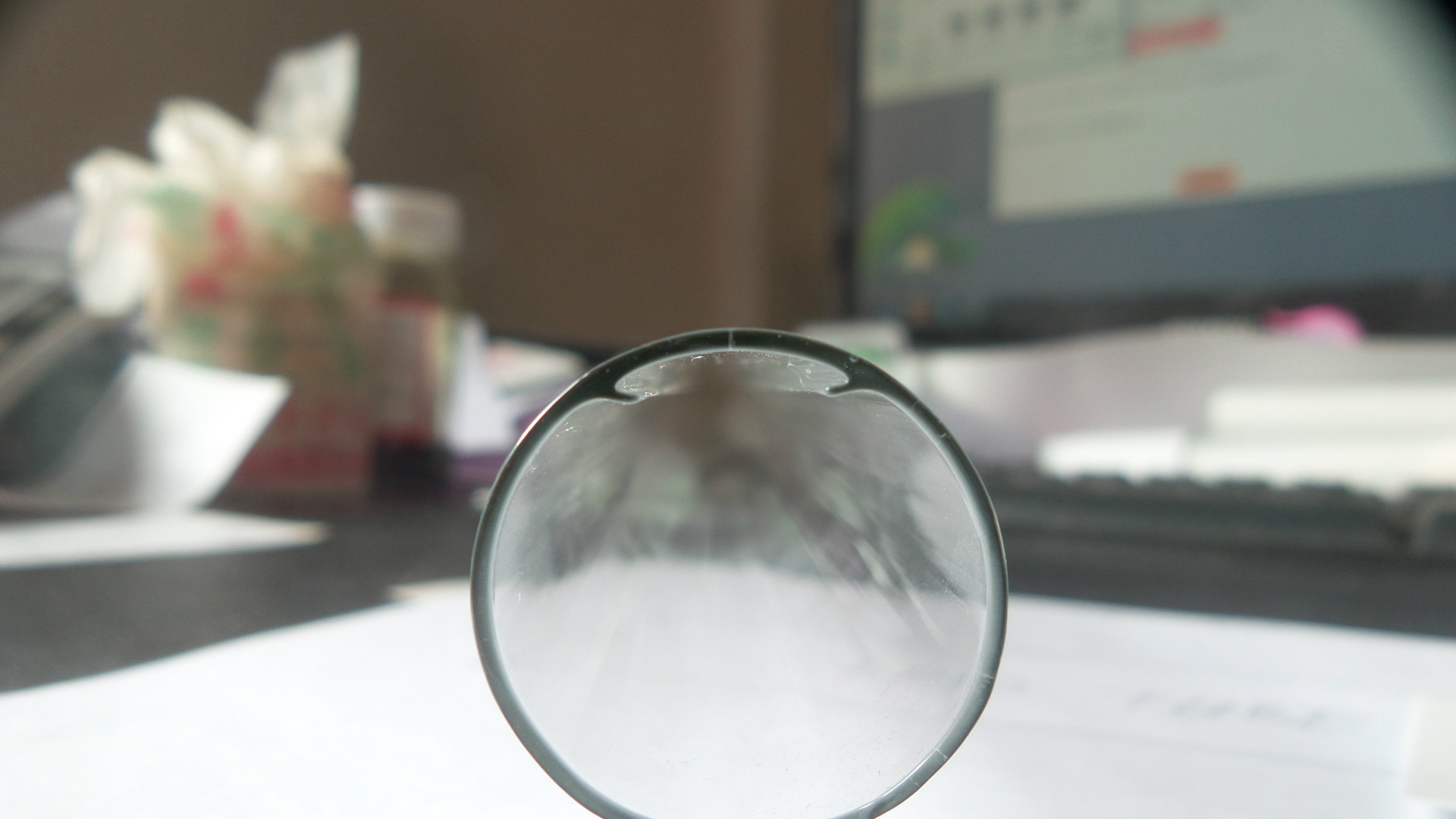
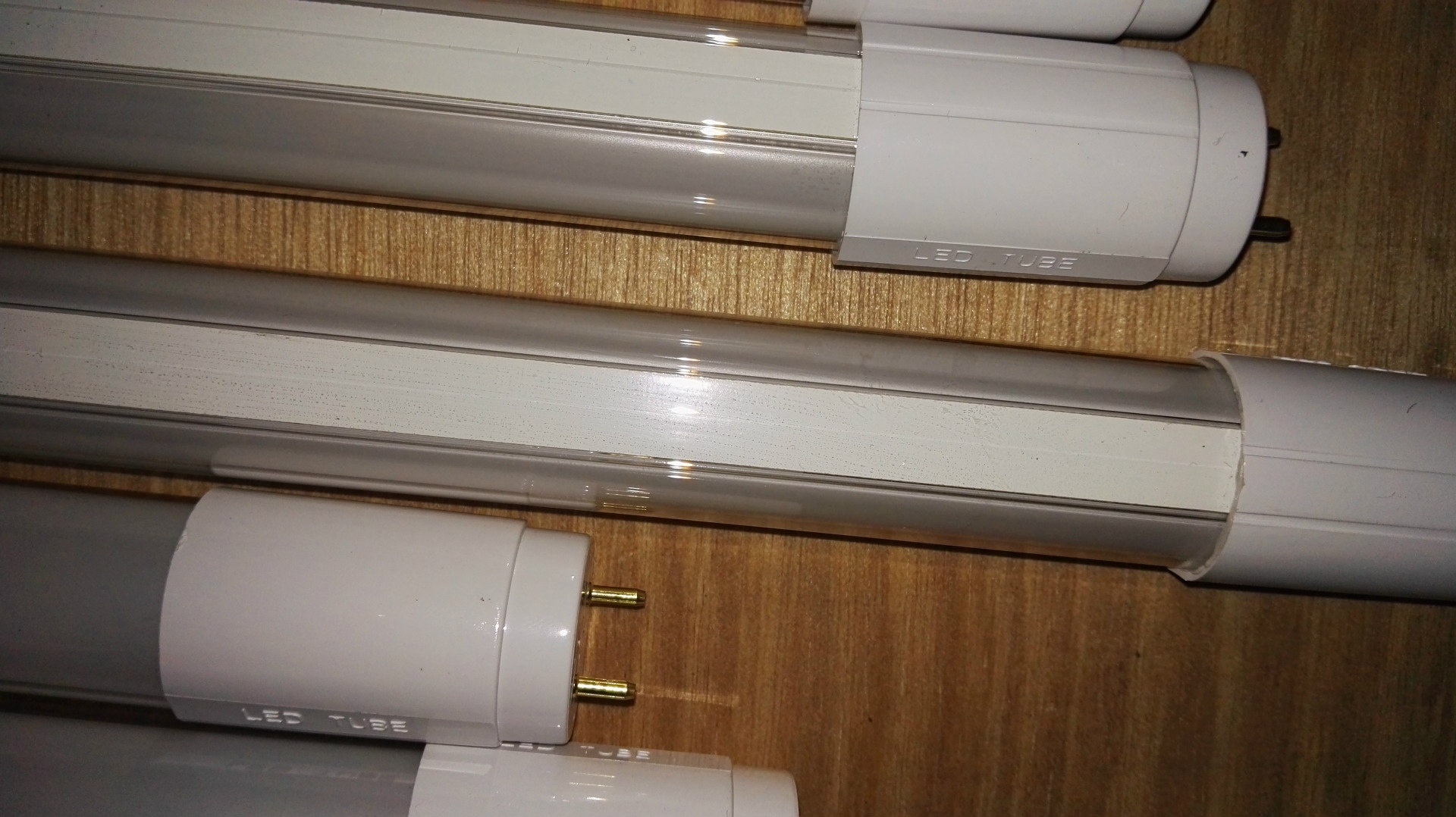
Card slot glass tube: It is a high-borosilicate thermal explosion-proof glass material with high light transmittance and no alkalization. It has high hardness and high melting point. It has a small thermal expansion coefficient and will not explode due to sudden temperature changes. This glass tube can be used with the above astigmatism technology to reduce the process cost to a minimum. No equipment, no glue or even spraying is needed. A soldering iron can complete the fool-proof high-efficiency installation by hand.Disadvantages: The cost of glass materials is relatively high.
?
?
Schematic diagram of the process principle of inner-coated lamp tubes:
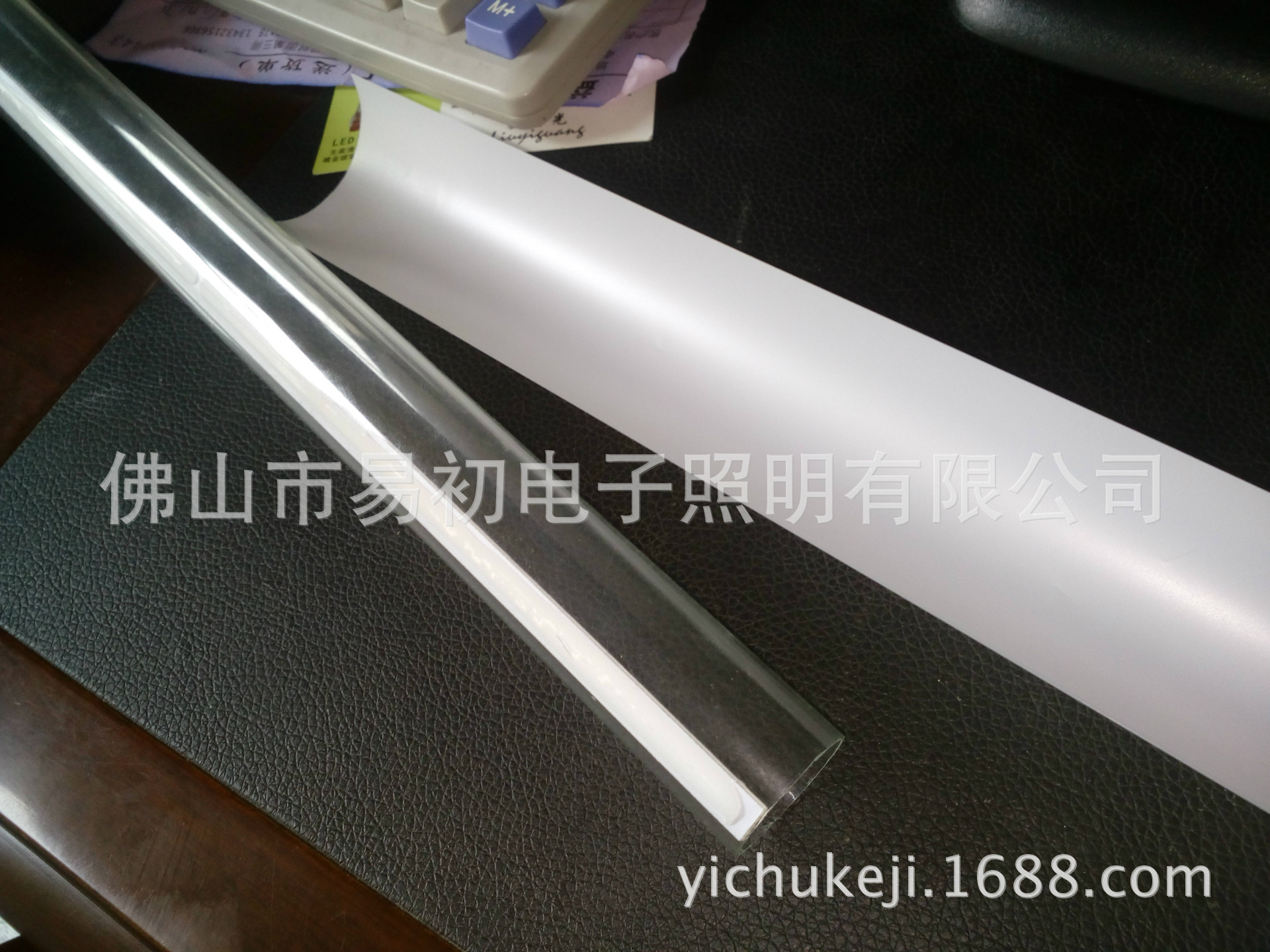
The substrate is first glued to the inner wall of the glass tube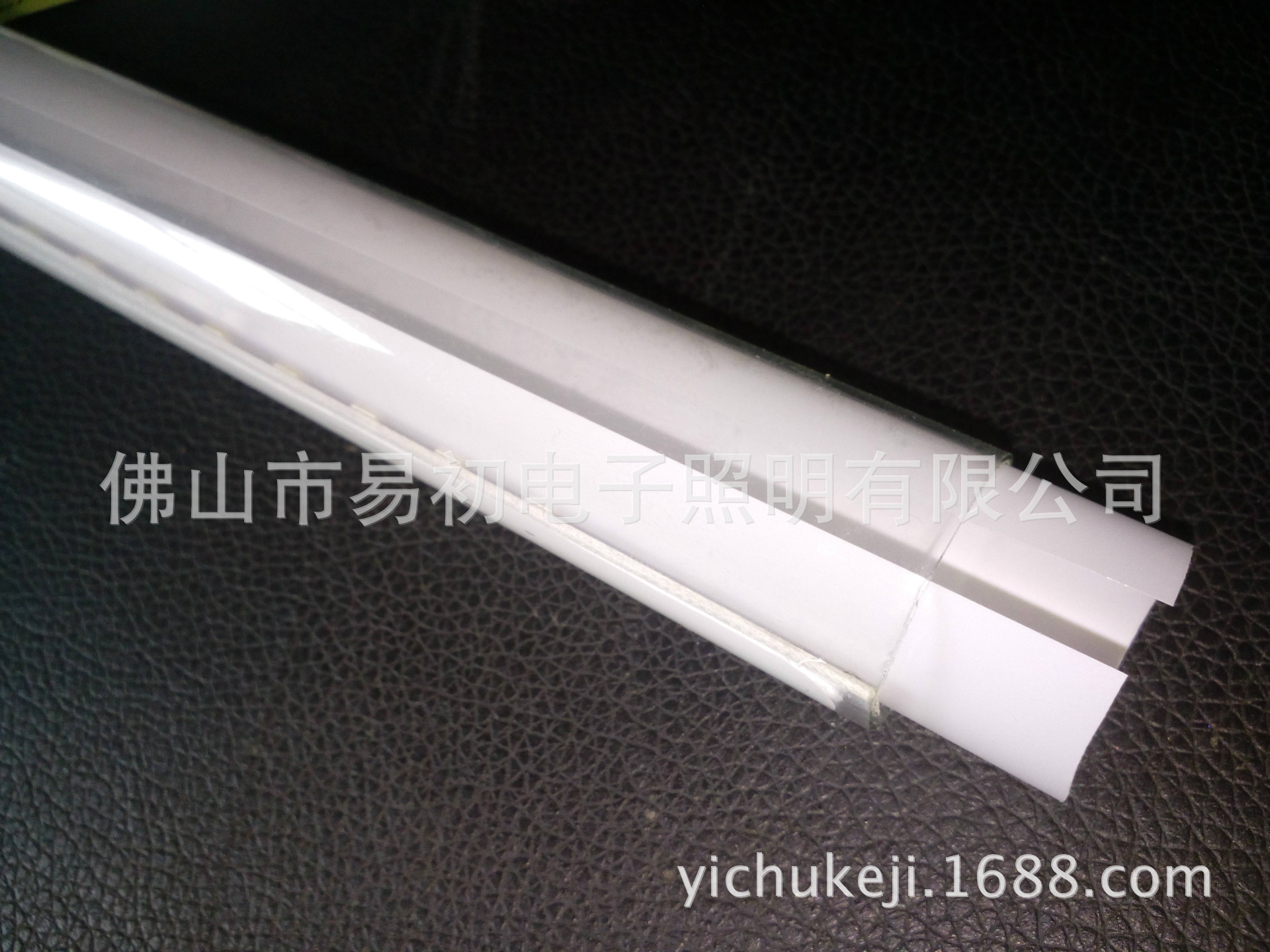
Put the PET optical astigmatism film with a thickness of 0.035mm into the glass tube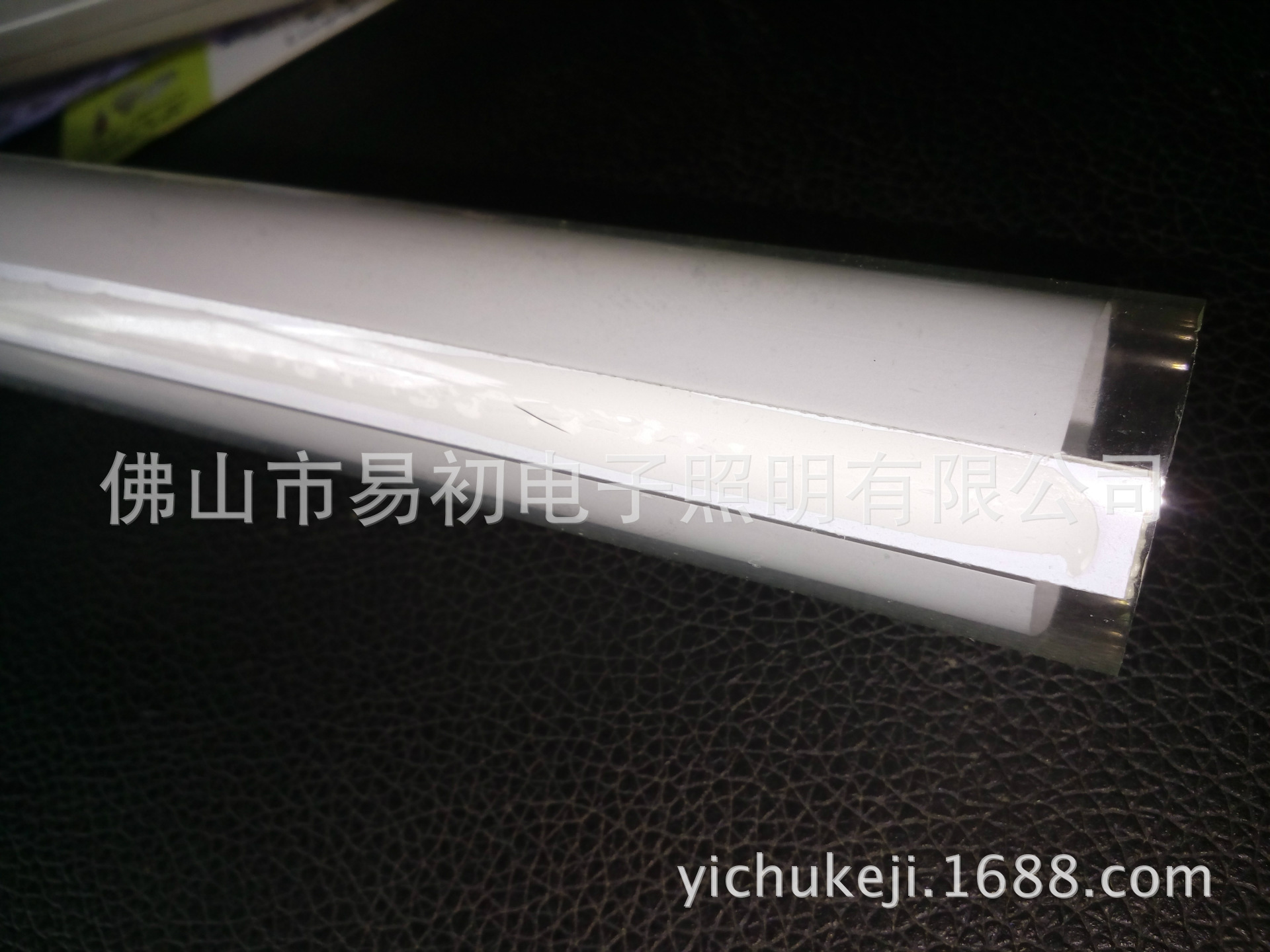
Adjust the astigmatism film so that both sides of the film are tightly clamped on both sides of the substrate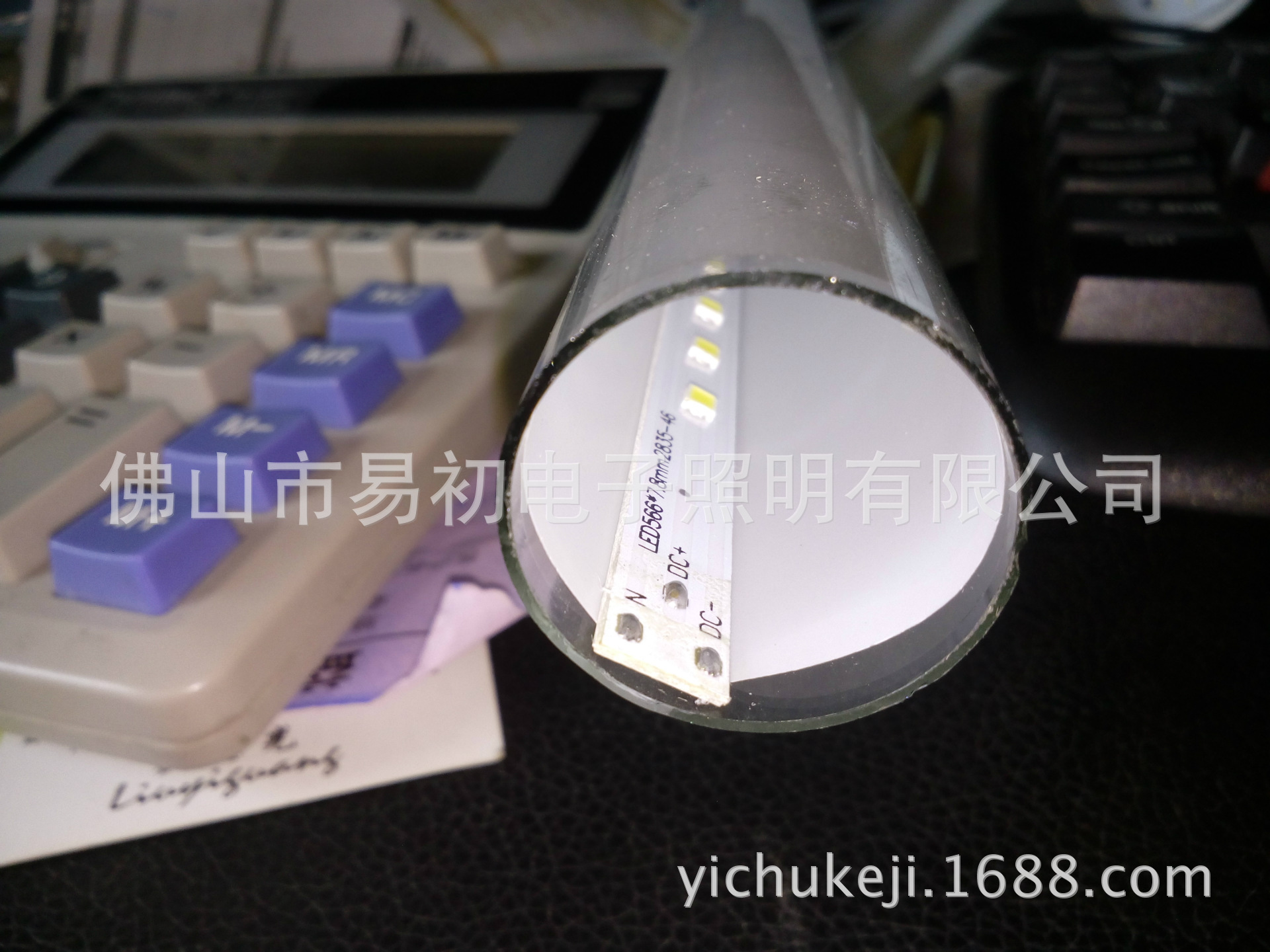
Complete the installation and wait for the next process.
This picture is just a principle. During the actual installation process, because the thickness of the film is very thin, there will be creases when touched by hand. Special equipment is required so that the hands cannot touch the film. Not only can there be no fingerprints, but the efficiency must be very high.

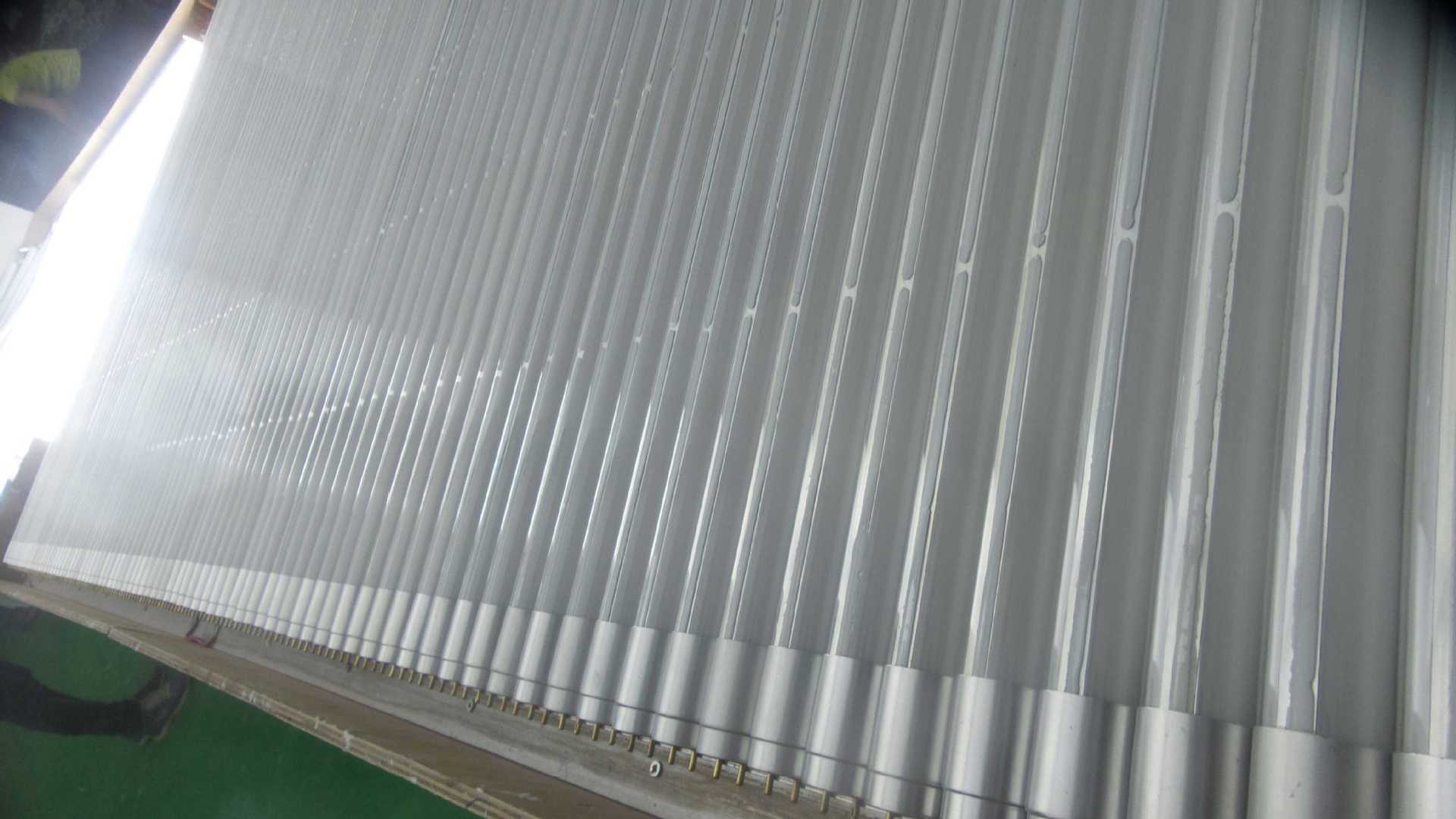
This process has good heat dissipation, high environmental protection, adjustable light transmittance and an accurate fixed value. The product height is consistent, and lamp tubes from 1 to 8 feet can be produced.
?
Slotted glass tube process:
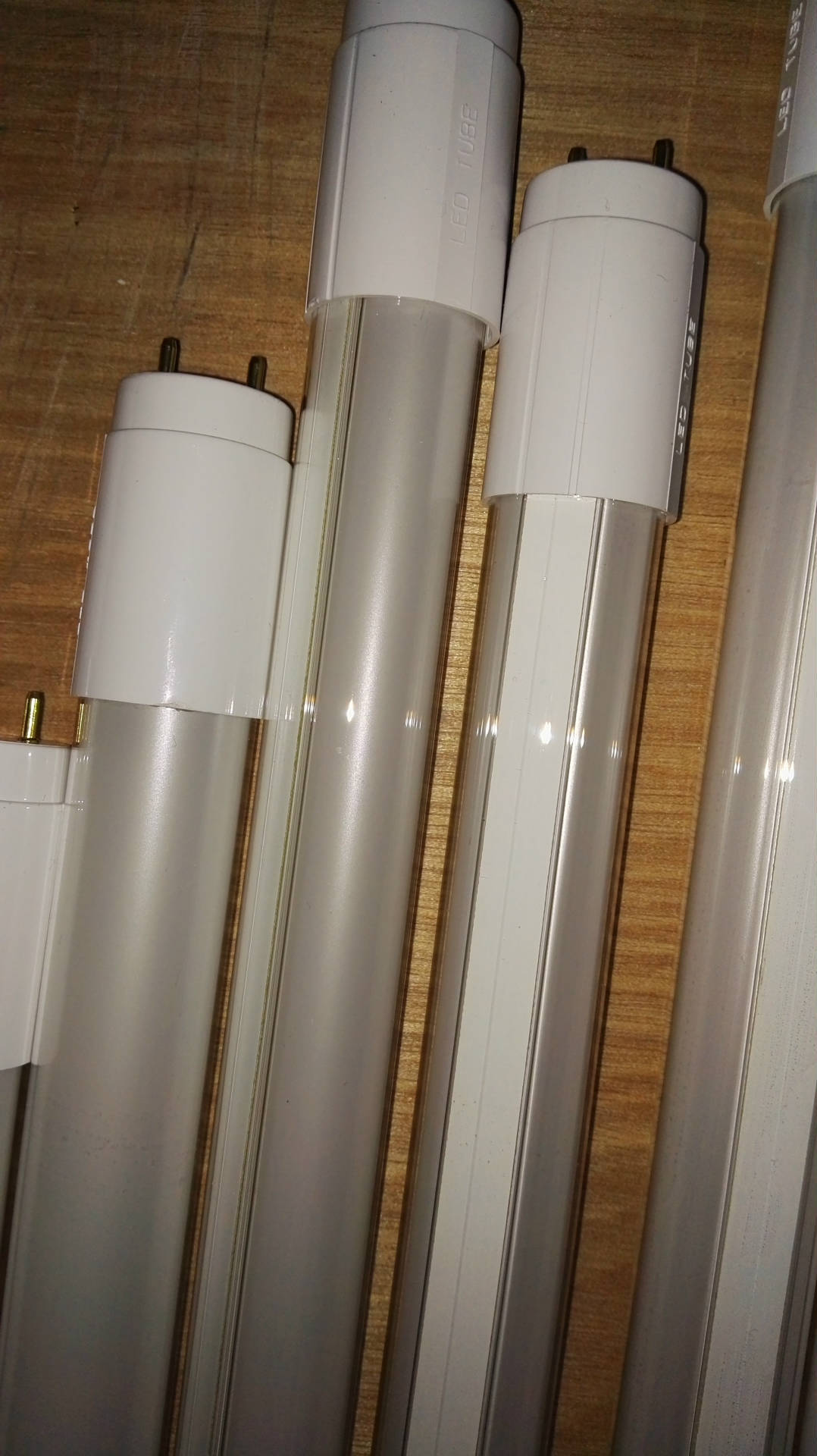
Dear readers, can you understand? It is really simple to produce high-quality lamps. If you understand, I won’t be verbose...