
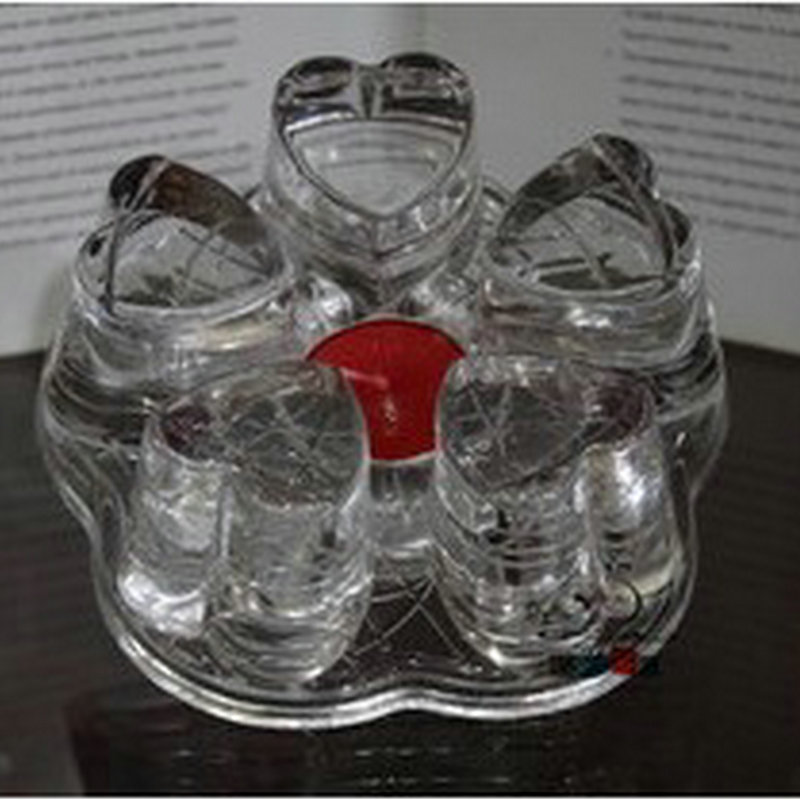
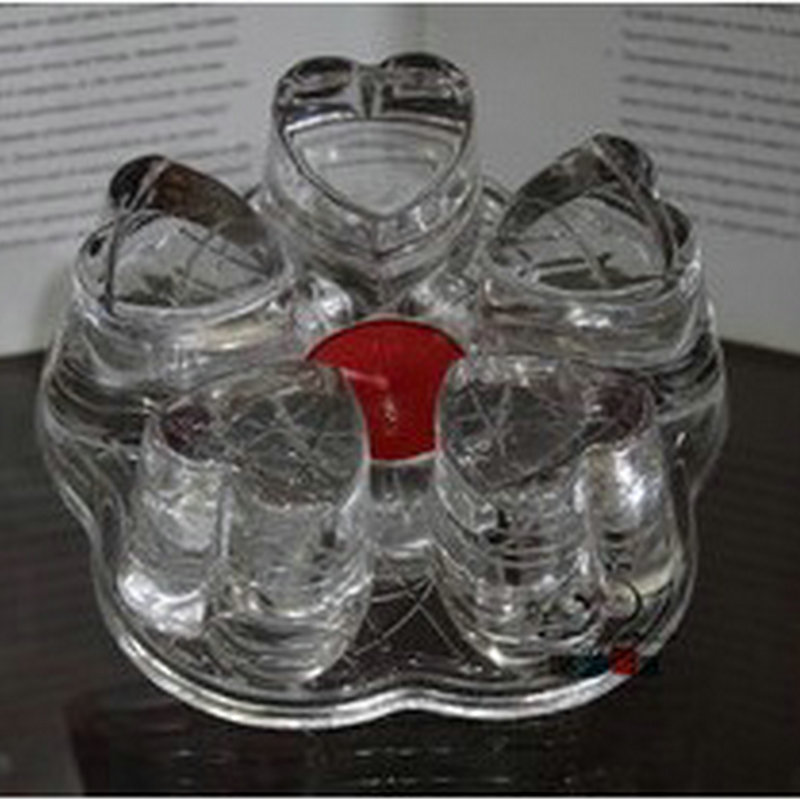
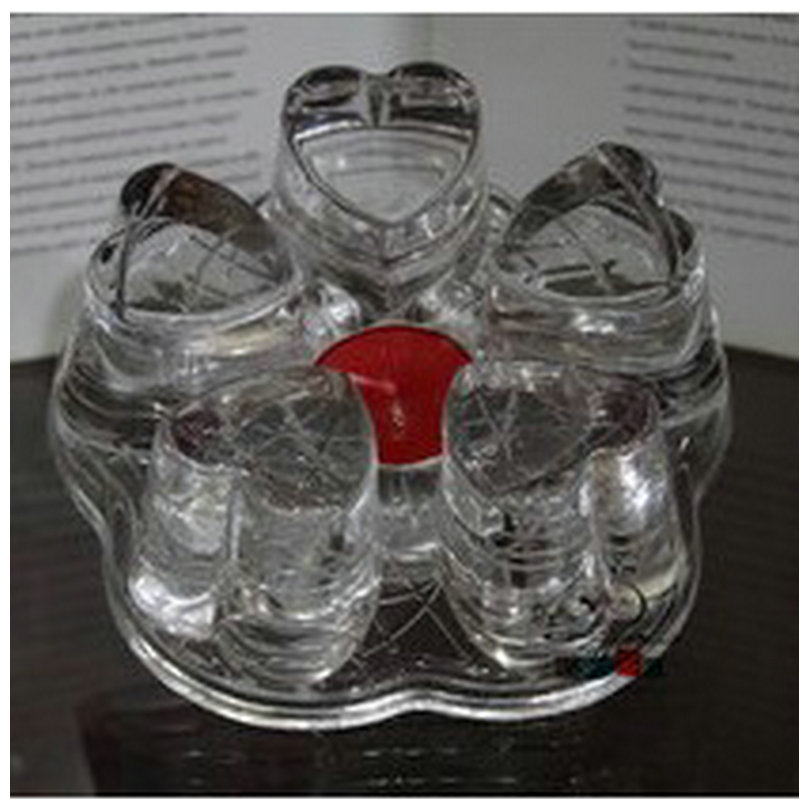
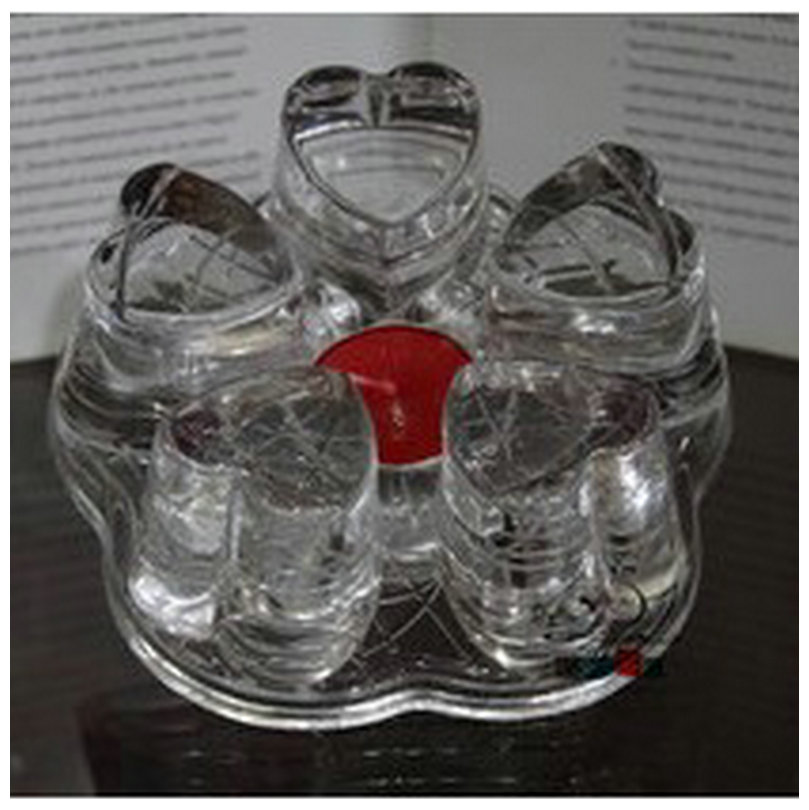


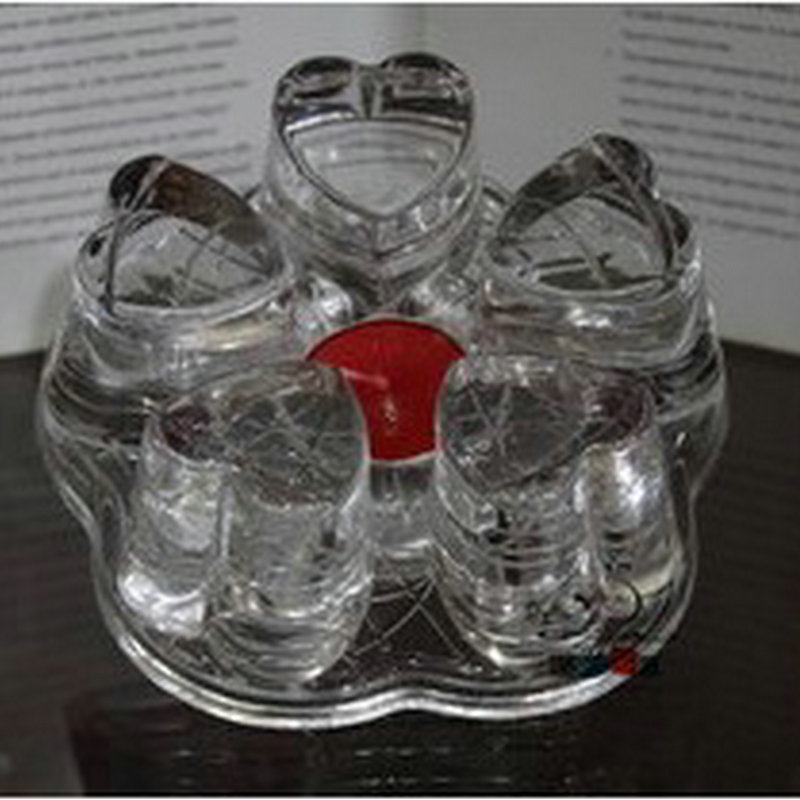
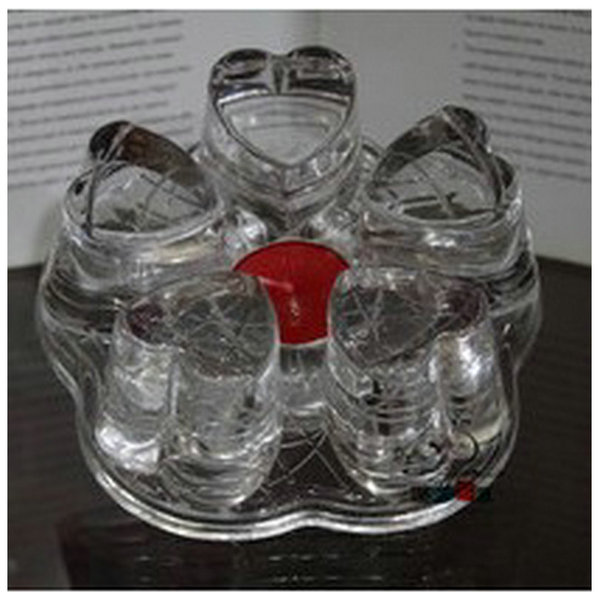
Product: Glass thermos
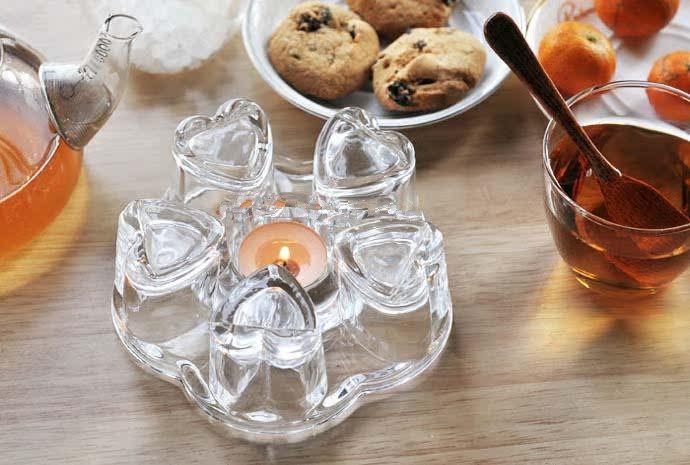
On a cold winter day, light a warm candle to warm the tea soup, so that you can always enjoy the gentle fragrance.
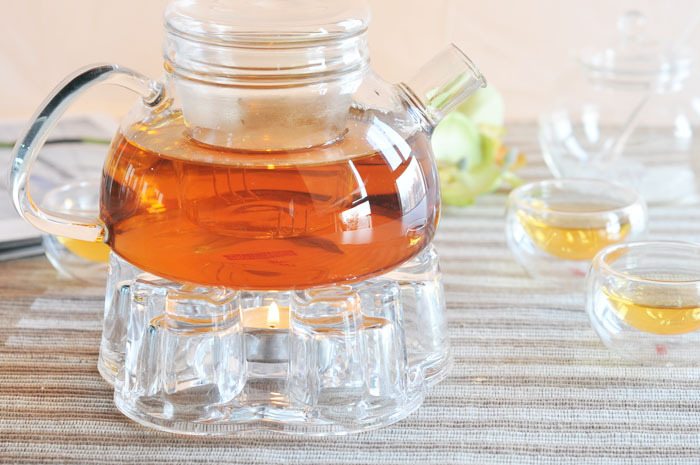
On a cold winter day, light a warm candle to warm the tea soup, so that you can always enjoy the gentle fragrance.
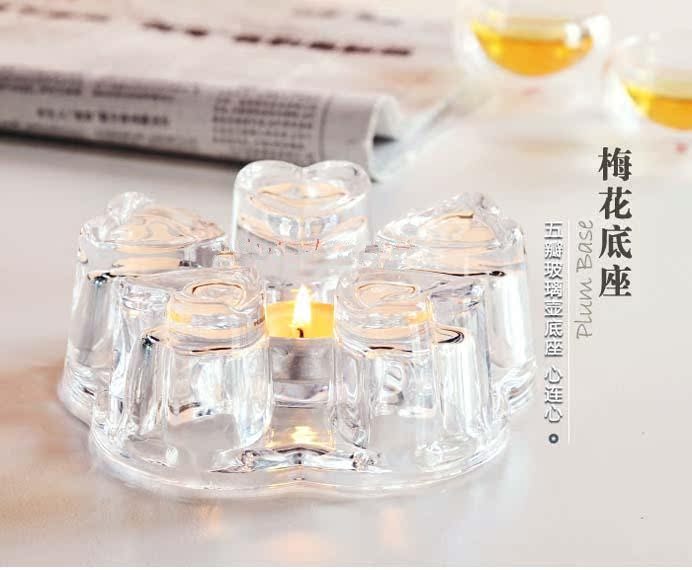
Cleaning method: Please clean directly with toothpaste and toothbrush
Handle it with care to prevent falling from high altitude or sharp mechanical impact, and do not bump it to avoid scratching the glass.
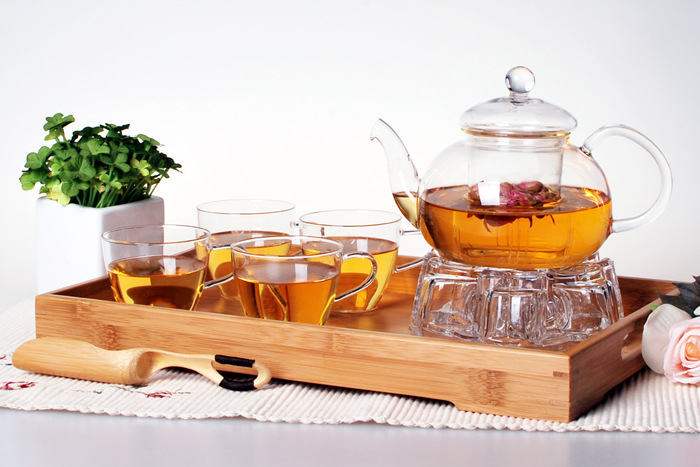
Do not move immediately after use to avoid burns
introduce:High borosilica glass (also known as hard glass), due to the thermal expansion coefficient of the line (3.3 0.1)×10-6/k, some people call it“Borosilic glass 3.3”EssenceIt is a special glass material with low expansion, high temperature resistance, high strength, high hardness, high light transparency and high chemical stability. Because of its excellent performance, it is widely used in solar, chemical, pharmaceutical packaging, electro -optical sources, Craft Jewelry and other industries.Its good performance has been widely recognized by all sectors of the world. In particular, it has been widely used in the solar field, and developed countries such as Germany and the United States have been widely promoted.
characteristic
Borosilicate glass has a very low thermal expansion coefficient, which is about one -third of ordinary glass.This will reduce the effects of temperature gradient stress, thereby having stronger fracture performance.Because its shape deviation is very small, this makes it a telescope, an essential material in the reflector.It can also be used to deal with high radioactive nuclear waste.
The borosilicate glass began to soften about 821 ° C (1510 ℉). At this temperature, the 7740 viscosity was 107.6 .
Borosilicate glass is lower than ordinary glass.
Although more and more resistance is more resistant to thermal shock than other types of glass, borosilic glass can still be broken due to rapid or uneven temperature changes.When it is broken, the borosilic glass cracks are often relatively large, not crushing (it will, not split).
Optics, borosilicate glass has low color dispersal (about 65 Abbe number coronary glasses) and relatively low refractive index (the entire visible light range is 1.51-1.54).
The line expansion coefficient of G3.3 high borosilica glass is 3.3 0.1×10⁻⁶/k is a glass with sodium oxide (NA2O), boron oxide (B2O2), and silicon (SiO2) as the basic ingredient.The borosilicon content in this glass composition is high, boron: 12.5 ~ 13.5%, silicon: 78 ~ 80%, so it is called high borosilica glass.It belongs to Pyrex glass in borosilicate glass.Polycolic and water -resistant resistance, superior corrosion resistance, good thermal stability, chemical stability, and electrical performance, so it has the characteristics of anti -chemical erosion, heat resistance, good mechanical performance, and high temperature.
G3.3 Specific physical chemical properties of high borosilized glass are as follows:
Silicon content | More than 80 % |
Strain temperature | 520 ℃ |
Annealing temperature | 560 ℃ |
Soften temperature | 820 ℃ |
Refractive rate | 1.47 |
Lighting (2 mm) | 92 % |
Elastic Modulus | 76KNmm - 2 |
tensile strength | 40- 120Nmm - 2 |
Glass stress optical constant | 3.8 * 10-6 square millimeter/no |
Machining temperature (104DPAS) | 1220 ℃ |
Wire expansion coefficient (20-300 ℃) | 3.3 * 10-6 k -1 |
Density (20 ° C) | 2.23gcm - 1 |
Heated heat | 0.9jg -1k -1 |
Thermal conductivity | 1.2WM -1K -1 |
Water resistance (International Standardized Organization 719) | Level 1 |
Acid resistance (International Standardized Organization 195) | Level 1 |
Alkali resistance (International Standardized Organization 695) | level 2 |
Manufacturing process

------------------------------------------------------------------------- -----------------------------------------------------------------------